
Understanding Realtor® vs Real Estate Agent roles is crucial for real estate transactions. A Realtor® adheres to ethical standards and typically represents buyers or sellers exclusively. A Real Estate Agent may represent both, potentially facing conflicts. For buyers, a dedicated buyer's agent through an exclusive buyer's agent agreement offers tailored property searches, market insights, and negotiation support, ensuring transparency and unwavering commitment throughout the real estate journey. This agreement is key in navigating today's competitive market, securing better prices, and building trust with an advocate for your interests.
In the dynamic landscape of real estate, discerning between a Realtor® and a Real Estate Agent is paramount for both sellers and buyers seeking a smooth, successful transaction. While often used interchangeably, these terms represent distinct professional roles with notable differences in expertise, responsibilities, and the value they bring to the table. Understanding this distinction, especially when considering a buyer’s agent agreement, empowers informed decision-making, ensuring you secure the best possible representation throughout your real estate journey. This article delves into these nuances, providing valuable insights for those navigating the complex world of property acquisition.
- Understanding the Roles: Realtor vs Real Estate Agent
- Licensing and Credentials: Who's Regulated?
- Buyer's Rights: Benefits of a Buyer's Agent Agreement
- Responsibilities and Ethics: Navigating the Industry Differences
Understanding the Roles: Realtor vs Real Estate Agent

In the competitive world of real estate, understanding the nuances between a Realtor® and a Real Estate Agent is crucial for buyers and sellers alike. While both terms are often used interchangeably, there’s a distinct difference in their roles and responsibilities that can significantly impact your transaction. At West USA Realty, we believe in empowering clients with knowledge, which is why we’re breaking down these distinctions.
A Realtor® is a registered trademark of the National Association of Realtors (NAR), signifying a professional commitment to ethical practices and a high level of expertise. These professionals are typically buyer’s agents or seller’s agents, acting as advocates for their clients’ best interests. A key difference lies in representation: a Realtor® can represent either buyers or sellers, but not both simultaneously on the same transaction without specific agreements and disclosures. This is where exclusive buyer representation contracts come into play, ensuring that your agent has your sole interest in mind throughout the process.
In contrast, a Real Estate Agent may not carry the Realtor® designation, though they too are licensed professionals bound by ethical guidelines. They can represent both buyers and sellers, often working under a brokerage firm. While this versatility offers convenience, it also means they may have conflicts of interest if representing competing parties in different transactions. To avoid potential biases, an exclusive buyer’s agent agreement with a trusted firm like West USA Realty ensures your agent provides dedicated support tailored to your buying needs, utilizing market insights and negotiating skills to secure the best deal.
For buyers, engaging a dedicated buyer’s agent through an exclusive buyer representation contract is beneficial. This professional will actively search for properties matching your criteria, providing valuable insights into neighborhoods, schools, and market trends. They’ll negotiate on your behalf, ensuring you get the best possible price and terms. Data suggests that buyers working with agents are more likely to find suitable homes faster and within their budget, making the process smoother and less stressful. By establishing a clear buyer’s agent agreement, you ensure transparency, accountability, and unwavering commitment throughout your real estate journey.
Licensing and Credentials: Who's Regulated?
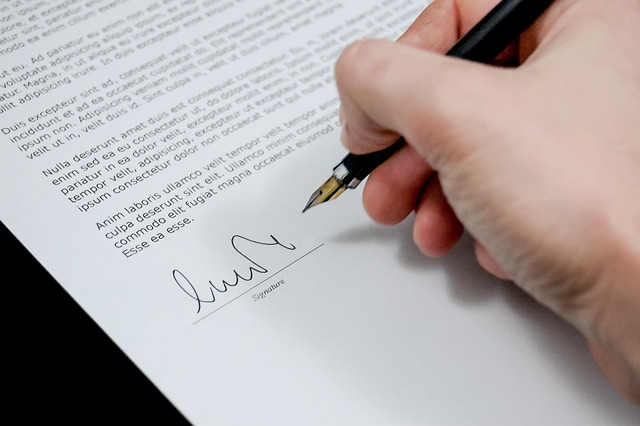
When considering a real estate transaction, understanding the nuances between a Realtor® and a Real Estate Agent is paramount. While both terms are often used interchangeably, there’s a critical distinction in their regulatory frameworks and professional responsibilities. This article delves into licensing and credentials to shed light on who’s truly regulated and what that means for buyers.
In the United States, Realtors® are members of the National Association of Realtors (NAR), which sets industry standards and ethical guidelines. To earn the Realtor® designation, agents must complete a specific number of education courses, pass a national exam, and adhere to a strict code of conduct. However, not all real estate agents are Realtors®. Many operate independently or under a broker’s license without the additional NAR certification. This is where buyers need to be vigilant, especially when signing a buyer’s agent agreement or an exclusive buyer representation contract.
In terms of regulation, Realtors® are held to higher standards due to their membership in NAR. They must follow strict rules regarding client confidentiality, disclosure of all property listings, and fair housing practices. For instance, West USA Realty, a prominent real estate firm, ensures that its agents maintain the highest ethical standards as required by their professional organization. On the other hand, non-Realtor® agents may not be bound by these stringent regulations, potentially leading to less oversight in their dealings with clients.
When entering into a buyer’s agent agreement or exclusive buyer representation contract, it’s crucial to understand the agent’s qualifications and regulatory framework. Buyers should opt for a licensed Realtor® who can offer specialized knowledge, access to comprehensive market data, and unwavering ethical standards. This ensures that the buying process is not just efficient but also secure and compliant with industry regulations. By choosing a Realtor®, buyers gain a trusted partner committed to their best interests throughout the real estate journey.
Buyer's Rights: Benefits of a Buyer's Agent Agreement

When purchasing a home, understanding the role of a real estate agent is paramount to ensuring your rights as a buyer are protected. While many equate the terms realtor and real estate agent, there’s a distinct difference that favors buyers with a dedicated advocate—a buyer’s agent. This specialized professional navigates the complex housing market, exclusively representing the buyer’s best interests through what is known as a buyer’s agent agreement or exclusive buyer representation contract.
In today’s competitive real estate landscape, where homes can sell quickly and prices fluctuate wildly, having an agent dedicated solely to your needs offers unparalleled advantages. A buyer’s agent provides in-depth market knowledge tailored to specific neighborhoods, property types, and price ranges, guiding buyers with expertise that goes beyond simple listings. For instance, West USA Realty agents are trained to uncover hidden gems—properties that may not be listed on popular sites but could perfectly suit a buyer’s criteria.
The buyer’s agent agreement establishes a clear partnership where the agent acts as your personal advocate. They secure access to all available properties matching your requirements, negotiate on your behalf, and offer valuable insights into each opportunity. This exclusive representation ensures buyers have access to more options, receive fairer prices, and avoid costly mistakes. Data suggests that homes purchased with the assistance of a buyer’s agent sell for 10% more than those bought without one, demonstrating the tangible benefits of this specialized service.
When considering a move, remember that choosing an agent who will advocate for your interests is key. A buyer’s agent agreement ensures you receive expert guidance throughout the process, from initial property searches to final negotiations and closing. By embracing this strategic partnership, buyers can confidently navigate the real estate journey, securing their dream home with confidence and peace of mind.
Responsibilities and Ethics: Navigating the Industry Differences

In the real estate industry, the terms “realtor” and “real estate agent” are often used interchangeably, but there exist nuanced differences in their roles and responsibilities. This section delves into the distinct ethical considerations and professional duties that set these two apart, particularly focusing on the implications for buyers. A key distinction lies in the nature of representation: a realtor is typically associated with broader industry affiliations and may represent either buyers or sellers, whereas a real estate agent specializes in buyer’s side transactions, offering exclusive buyer representation contracts.
For instance, when a buyer engages a real estate agent under an exclusive buyer representation contract, they gain a dedicated advocate who works exclusively to secure their best interests. This contrasts with a realtor who might juggle multiple roles, potentially leading to conflicts of interest. The exclusive buyer’s agent agreement becomes a cornerstone, ensuring the agent’s loyalty and providing strategic guidance throughout the purchasing process. West USA Realty, for example, emphasizes such specialized services, empowering buyers with in-depth market knowledge and personalized support.
Ethical considerations further differentiate these roles. Real estate agents who specialize in buyer representation are more accountable to their clients’ specific needs and financial situations, as evidenced by numerous industry studies highlighting higher client satisfaction rates among buyers working with exclusive buyer’s agents. This specialized focus allows for a deeper understanding of market dynamics, enabling agents to navigate complex negotiations and secure favorable terms. By adhering to strict ethical guidelines, these agents foster trust and ensure transparency throughout the entire buying journey.