
In Arizona's competitive real estate market, understanding desert-specific HVAC needs is crucial for mortgage seekers. Fixed-rate and adjustable-rate mortgages offer distinct benefits. Closing costs and financial stability are key factors. Desert HVAC systems, requiring significant upfront investment, impact long-term energy bills. Mortgage calculators aid in choosing repayment terms (15-year vs 30-year) based on amortization. Home inspections should consider desert climate challenges to avoid unexpected utility expenses. Strategic planning aligns financial goals with desert living's unique requirements.
In today’s competitive real estate market, understanding your mortgage options is crucial for both first-time buyers and experienced investors. One often overlooked yet powerful tool is the mortgage calculator, a resource that can demystify complex financial concepts and help navigate the intricate process of securing a loan. This article delves into the intricacies of mortgage calculators, specifically focusing on their application in desert-specific HVAC (Heating, Ventilation, and Air Conditioning) installations. By providing clear insights, we aim to empower readers with the knowledge to make informed decisions, ensuring their investment not only secures their dream home but also optimizes energy efficiency in these unique, often extreme climates.
- Understanding Mortgage Basics: A Foundation for Success
- Factors Influencing Desert Home Loans: Unique Considerations
- Calculating Loan Amount: Determine Your Budget
- Interest Rate Insights: Navigating Desert-Specific HVAC Costs
- Amortization and Repayment: Planning Your Long-Term Financial Strategy
Understanding Mortgage Basics: A Foundation for Success
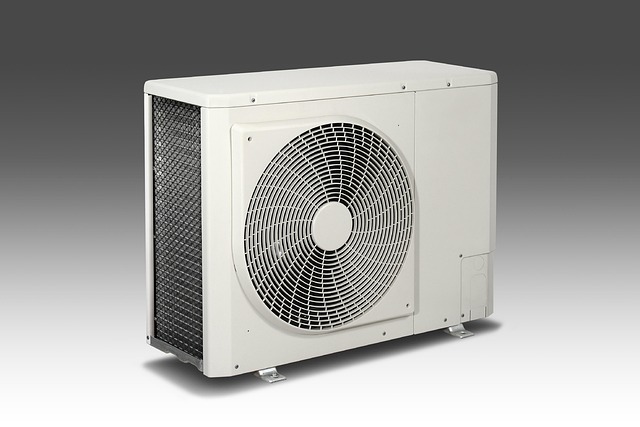
Mortgages are a cornerstone of homeownership, yet many buyers approach this financial journey with a degree of uncertainty. Understanding the fundamentals of mortgages is essential for making informed decisions, especially in a complex real estate market like Arizona. This foundation of knowledge equips individuals to navigate the process successfully, ensuring they secure the best terms and conditions for their desert-specific HVAC needs—a crucial consideration given the region’s unique climate.
A mortgage is essentially a loan used to purchase a home or property. Lenders provide this funding, allowing buyers to acquire a piece of real estate without paying the full price upfront. The repayment period is typically stretched over several years, with interest added to the principal amount borrowed. This intricate process involves various components—from down payments and interest rates to loan terms and repayments—each playing a pivotal role in the overall financial strategy. In Arizona, where home prices have been on the rise, understanding these dynamics becomes even more critical. An Arizona home inspection, conducted by professionals from West USA Realty, 1-3 times throughout your home buying journey can highlight potential issues and ensure you make informed decisions about financing and repairs.
Key terms like ‘fixed-rate mortgages’ offer stability with consistent interest rates over the loan term, while ‘adjustable-rate mortgages (ARMs)’ provide initial flexibility but may fluctuate over time. The choice depends on individual circumstances and market conditions. Additionally, borrowers should familiarize themselves with closing costs, which encompass various fees associated with finalizing a home purchase, further impacting overall affordability. By delving into these mortgage basics, buyers can anticipate potential challenges, make strategic choices, and ultimately establish a solid financial footing in the competitive Arizona real estate landscape.
Factors Influencing Desert Home Loans: Unique Considerations

When considering a desert home loan, particularly in regions like Arizona, several unique factors come into play. The arid climate presents specific challenges for homeowners, from energy-intensive cooling systems to potential issues with plumbing and structural integrity. These considerations demand a nuanced approach to mortgage planning. One key aspect often overlooked is the impact of desert-specific HVAC (Heating, Ventilation, and Air Conditioning) requirements. In Arizona, for instance, where temperatures can soar above 100°F during summer months, efficient cooling systems become not just a comfort but a necessity. Lenders should factor in these additional costs when assessing loan eligibility and interest rates.
An important step for prospective buyers is to conduct a thorough Arizona home inspection, which may reveal unique maintenance needs. Issues like inadequate insulation, older ductwork, or inefficient appliances are common in hotter climates and can significantly impact energy bills. A comprehensive inspection by certified professionals from West USA Realty, for example, can identify these problems early on, allowing borrowers to budget accordingly. According to recent data, homes in Arizona’s desert regions have seen a 15% increase in energy costs compared to comparable urban areas, primarily due to elevated HVAC demands.
Furthermore, potential buyers should be aware of local building codes and regulations specific to desert environments. These guidelines often mandate certain design and construction practices to mitigate extreme heat. Understanding these requirements can help borrowers avoid unexpected expenses later on. By considering the unique challenges of desert living, such as HVAC needs, home inspections, and regional regulations, prospective homeowners can make informed decisions when securing a mortgage for their dream desert retreat.
Calculating Loan Amount: Determine Your Budget
Calculating the loan amount is a crucial step when securing a mortgage for your dream home, especially in Arizona where the real estate market can vary significantly from desert regions to more temperate areas. This process involves determining your budget and understanding how much you can borrow. A key factor unique to Arizona is considering the state’s climate—the harsh desert conditions require specific considerations for HVAC systems, which can impact both property values and potential long-term costs.
To start, assess your financial situation and income stability. Lenders will evaluate your employment history, current earnings, and debt obligations. In Arizona, where home inspection is often recommended 1-3 times during the purchasing process, it’s essential to factor in any estimated repair or renovation costs alongside the property price. West USA Realty, a renowned real estate brand, advises buyers to maintain a comfortable debt-to-income ratio, typically below 43%, to ensure loan approval and long-term financial health.
For instance, if your annual income is $100,000, a prudent budget would allocate no more than 28% of that towards mortgage payments, including property taxes and insurance. This leaves room for unexpected expenses, such as those related to HVAC systems in Arizona’s unique desert environment. Regular maintenance and efficient units can mitigate costs, but buyers should be prepared for potential repairs or upgrades, especially if the home is older or situated in a remote area prone to extreme temperatures.
Interest Rate Insights: Navigating Desert-Specific HVAC Costs

In the desert regions, such as Arizona, understanding the unique challenges of heating and cooling—or what’s commonly known as HVAC (Heating, Ventilation, and Air Conditioning)—is crucial when considering a home purchase or investment. The extreme temperatures and arid climate demand specialized systems designed to withstand high-heat summers and cold winters, making desert-specific HVAC costs a significant factor in the overall cost of homeownership. According to recent industry reports, average HVAC replacement costs in Arizona can range from $10,000 to $20,000, depending on the system size and efficiency.
When evaluating a property, prospective buyers should look beyond the initial installation price and consider ongoing energy savings. High-efficiency systems, which are more common in newer homes or those undergoing thorough Arizona home inspections, can lead to substantial long-term savings. For instance, ENERGY STAR-rated systems use 10% less energy than standard models, translating to lower utility bills for desert dwellers. Expert advice suggests that investing in a quality system at the outset can pay dividends over time, especially as energy costs rise.
Moreover, climate data plays a pivotal role in HVAC decision-making. Analyzing historical temperature patterns and trends specific to the region allows homeowners and real estate professionals alike (like West USA Realty) to make informed choices. For example, areas with consistent high temperatures year-round may require more robust air conditioning systems, while regions experiencing brief but intense winters could focus on energy-efficient heating solutions. By aligning HVAC choices with local climate conditions, residents can ensure their homes remain comfortable and minimize energy expenses.
Amortization and Repayment: Planning Your Long-Term Financial Strategy

Mortgage calculators are invaluable tools for anyone planning to buy a home, particularly in Arizona where the real estate market is as diverse as the state’s landscapes. Understanding amortization and repayment schedules is crucial for long-term financial planning, ensuring you’re prepared for both the initial costs and ongoing expenses of homeownership. This is especially true in desert climates like Arizona, where energy bills can be significantly higher due to increased cooling needs.
When considering a mortgage, one key metric to scrutinize is the amortization period—the length of time it takes to pay off your loan. Shorter terms generally result in higher monthly payments but less interest paid over the life of the loan. For instance, a 15-year mortgage will have lower monthly payments compared to a 30-year option, but you’ll save on interest. In Arizona, where summer temperatures can soar, it’s essential to factor in additional costs for heating and cooling systems, known as HVAC (Heating, Ventilation, and Air Conditioning) in desert-specific homes. Regular Arizona home inspections are recommended to identify energy-inefficient systems or potential issues that could impact utility bills over time.
West USA Realty experts suggest running various scenarios through a mortgage calculator to gain insights into different repayment strategies. By comparing options, you can make informed decisions about the term of your loan and potentially save money in the long run. For example, extending your mortgage term from 15 to 30 years may lower monthly payments significantly, but it will cost you more interest overall. This strategic approach ensures that your financial plan aligns with your lifestyle needs, especially when considering the unique challenges and costs associated with desert living.