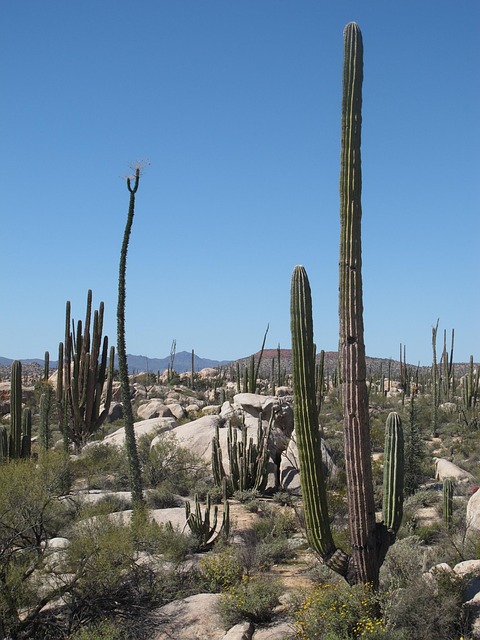
FHA loans in Arizona offer low down payments (3.5%) and potential reductions to 1% for homes with desert-specific HVAC systems, promoting energy efficiency. Accessible to individuals with less-than-perfect credit but may incur mortgage insurance premiums (MIP). Thorough home inspections are recommended to maximize benefits and address unique desert climate needs. Understanding eligibility criteria and engaging experienced real estate professionals ensures informed decisions for comfortable and financially prudent desert homes. The process involves application, pre-approval, loan estimate, inspection, document review, and final stages.
In the competitive real estate landscape, understanding financing options is paramount for both buyers and professionals alike. Among these, FHA Loans stand out as a significant tool, particularly in arid climates like desert regions, where unique challenges exist. The Federal Housing Administration (FHA) offers these loans to support homebuyers, but navigating their intricacies can be daunting. This article provides an authoritative guide to demystifying FHA Loans, focusing on their relevance for desert-specific HVAC considerations. By delving into the details, we empower readers with knowledge to make informed decisions in such distinct markets.
- Understanding FHA Loans: Basics and Benefits
- Eligibility Criteria: Who Qualifies for FHA Financing?
- Desert-Specific HVAC Considerations in FHA Properties
- The Loan Process: From Application to Closing
- Advantages and Potential Drawbacks of FHA Loans
Understanding FHA Loans: Basics and Benefits
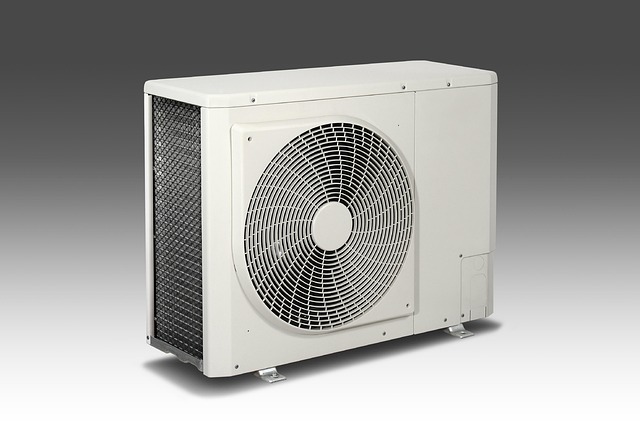
FHA loans, or Federal Housing Administration loans, are a popular choice for homebuyers, especially in competitive markets like Arizona. These government-backed mortgages offer unique advantages, making homeownership more accessible and attractive, particularly for first-time buyers and those with limited savings. Understanding FHA loans is essential for anyone navigating the Arizona real estate market, where affordable housing options are readily available thanks to favorable desert climates.
One of the key benefits lies in the lower down payment requirements compared to conventional mortgages. Typically, an FHA loan allows for a minimum down payment of 3.5%, which can be as low as 1% if specific desert-specific HVAC (heating, ventilation, and air conditioning) systems are installed, promoting energy efficiency and reducing utility costs for Arizona homeowners. This feature is especially valuable in regions with hot deserts, where efficient cooling systems can significantly impact energy bills. For instance, a study by the U.S. Department of Energy found that proper HVAC maintenance and upgrades can reduce energy consumption by up to 15% in arid climates. West USA Realty agents often guide clients through this process, ensuring they take advantage of these savings while also enhancing their home’s value with modern, energy-efficient features.
Furthermore, FHA loans offer flexible credit requirements. They are suitable for individuals with less-than-perfect credit, providing an opportunity for those who may have struggled with traditional financing options to enter the market. However, it’s crucial to note that while these loans offer benefits, there are also considerations like mortgage insurance premiums (MIP) that can add to the overall cost, especially for higher loan amounts. A thorough Arizona home inspection by certified professionals is a smart step to ensure any potential issues are addressed and to maximize the benefits of an FHA loan. By understanding these nuances, homebuyers can make informed decisions, ensuring they secure financing that aligns with their financial goals and the unique demands of desert living.
Eligibility Criteria: Who Qualifies for FHA Financing?

For those looking to purchase a home in Arizona’s diverse climate, understanding FHA financing options is crucial. The Federal Housing Administration (FHA) offers loans that cater to first-time homebuyers and those seeking more affordable housing choices, including desert-specific HVAC considerations. To qualify for an FHA loan, borrowers must meet specific criteria, ensuring a smooth path to homeownership. One key aspect is the eligibility requirement, which focuses on creditworthiness and down payment capabilities.
In Arizona, where real estate markets can vary widely across regions, prospective buyers should note that FHA loans are particularly beneficial in areas with higher down payment expectations. For instance, in metropolitan centers like Phoenix or Tucson, where competitive markets exist, an FHA loan can provide a much-needed financial buffer. West USA Realty experts suggest that first-time homebuyers often find these loans appealing due to their low down payment requirements, which can be as little as 3.5% of the purchase price. This is especially advantageous in a state like Arizona, where homes with advanced HVAC systems designed for desert climates are increasingly sought after.
During the home buying process, an essential step is the Arizona home inspection, which should be conducted by qualified professionals familiar with local building codes and unique desert-specific considerations. These inspections are crucial as they help buyers identify potential issues related to HVAC systems tailored for arid environments. By understanding the eligibility criteria and the importance of expert guidance during the inspection process, prospective homeowners can make informed decisions when financing their dream desert properties through FHA loans.
Desert-Specific HVAC Considerations in FHA Properties
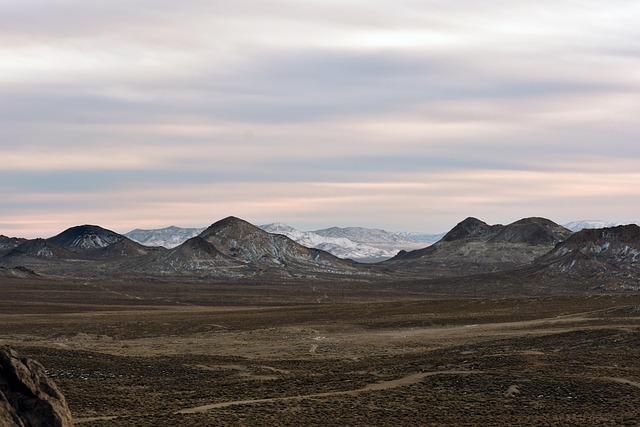
In desert regions like Arizona, understanding the unique challenges posed by the climate is essential for anyone considering an FHA loan and property ownership. Desert-specific HVAC considerations are a critical aspect of home maintenance that often requires specialized attention to ensure energy efficiency and comfort. The extreme heat and dry air characteristic of these environments demand advanced cooling systems designed to withstand harsh conditions. Arizona, with its vast desert landscapes, presents unique opportunities and challenges for both homebuyers and real estate professionals like West USA Realty.
One key challenge is the need for robust and efficient HVAC (Heating, Ventilation, and Air Conditioning) systems that can cool homes without excessive energy consumption. Traditional systems may struggle to keep up with the intense summer heat, leading to higher utility bills and potential comfort issues. Desert-specific HVAC solutions often involve advanced features such as variable speed motors, enhanced insulation, and smart thermostats that allow for precise temperature control. For instance, in Phoenix, where average high temperatures surpass 100°F during July and August, efficient cooling mechanisms are not just recommended but necessary to make homes livable and energy-cost-effective.
An Arizona home inspection is a vital step for buyers seeking FHA loans as it provides a detailed assessment of the property’s condition, including its HVAC system. Inspectors look for signs of strain on cooling equipment, proper ventilation, and adherence to local building codes. According to recent data, over 80% of homes in Arizona’s major metropolitan areas are equipped with energy-efficient HVAC systems, reflecting a growing awareness of climate-specific needs. However, buyers should be cautious of older properties that may require significant upgrades to meet modern standards. By understanding desert-specific HVAC considerations and engaging experienced real estate professionals like West USA Realty, buyers can make informed decisions, ensuring their homes are both comfortable and financially prudent.
The Loan Process: From Application to Closing

The journey towards securing an FHA loan, a popular choice for many first-time homebuyers in Arizona, involves a structured process designed to ensure fairness and transparency. This article offers an in-depth look at the steps from application to closing, providing valuable insights for those navigating this path. The process begins with a comprehensive application, where borrowers detail their financial history, employment status, and home preferences. This initial phase is crucial for setting expectations and determining eligibility, especially in the diverse Arizona market, which features unique desert-specific HVAC considerations for energy-efficient homes.
Once approved, the next step involves working closely with a lending institution to secure pre-approval. This demonstrates a serious commitment to purchasing a home, providing an advantage in competitive markets. The process then transitions into the loan estimate phase, where borrowers receive detailed information about potential costs and interest rates. Here, understanding local market trends, such as Arizona’s seasonal fluctuations, can help borrowers make informed decisions regarding their budget. A key milestone is the home inspection, conducted by a professional to ensure the property meets safety standards and identify potential issues. This step is particularly important in ensuring a smooth closing process and addressing any desert-specific HVAC concerns for older homes.
As the loan moves towards closing, borrowers should expect a thorough review of their financial documents. West USA Realty, a trusted name in Arizona real estate, emphasizes the importance of accurate and timely document submission to avoid delays. The final stages involve finalizing the loan terms, ordering an appraisal, and ensuring all legal documents are in order. This meticulous process guarantees that borrowers receive a fair and secure loan, tailored to their unique circumstances, even in the distinct desert climate of Arizona.
Advantages and Potential Drawbacks of FHA Loans

FHA loans have long been a popular choice for homebuyers, especially those entering the market for the first time or facing unique financial circumstances. These government-backed mortgages offer several advantages that can make homeownership more accessible and attractive in competitive real estate markets like Arizona. One significant benefit is the low down payment requirement, typically just 3.5% of the purchase price, which can be particularly advantageous in desert cities where property values have historically been high. This flexibility allows prospective buyers to secure financing without accumulating a substantial savings buffer, a significant advantage when competing for properties in hot markets.
However, while FHA loans provide numerous benefits, there are potential drawbacks to consider. One notable disadvantage is the mortgage insurance premium (MIP) that borrowers must pay. This insurance protects lenders in case of default and adds an extra cost to monthly payments. Unlike conventional mortgages, borrowers with an FHA loan are required to maintain this coverage until they pay off their loan or refinance it, which can add several thousand dollars over the life of the loan. Additionally, strict underwriters’ guidelines might result in a slightly longer approval process compared to other loan types, and borrowers may need to address specific issues, such as repairing structural defects identified during an Arizona home inspection.
To mitigate these drawbacks, buyers should carefully consider their financial situation and long-term goals. Working with an experienced agent like West USA Realty can provide valuable guidance. Understanding the requirements and potential costs associated with FHA loans empowers buyers to make informed decisions. For instance, pre-approval before beginning your search allows you to navigate the market confidently, knowing your budget limitations and possibilities. An Arizona home inspection at least 1-3 times during the process—depending on local regulations and personal preferences—can help identify issues early, ensuring a smoother transaction and potentially saving thousands in repairs.