
Mortgage rates in Arizona are influenced by economic health, creditworthiness, and desert-specific HVAC considerations. Fixed-rate mortgages offer stability, while adjustable rates vary based on economic conditions. Strong credit secures better rates. Regular inspections and energy-efficient HVAC systems reduce energy bills and increase property values. In competitive real estate markets, strategic approaches like credit score management, inspections, understanding market fluctuations, and investing in desert-specific HVAC systems are crucial for securing favorable rates.
In today’s economic landscape, understanding mortgage rates is more critical than ever for both first-time homebuyers and experienced investors, especially in the unique desert-specific market. The ever-fluctuating interest rates can make navigating the process of securing a loan a complex and challenging task, leaving many individuals unsure of the best course of action. This article aims to demystify mortgage rates, offering an authoritative guide to help readers make informed decisions. We’ll delve into the factors influencing these rates, provide insights into the desert-specific HVAC (heating, ventilation, and air conditioning) market’s impact, and present actionable strategies to optimize loan terms, ensuring genuine value for our discerning audience.
- Understanding Mortgage Rates: Basics and Factors
- Desert Climate's Impact on HVAC Costs
- Navigating Variable vs. Fixed Rate Mortgages
- Local Market Trends: Desert-Specific Insights
- Strategies for Securing Favorable Mortgage Rates
Understanding Mortgage Rates: Basics and Factors
Understanding Mortgage Rates: Basics and Factors
Mortgage rates play a pivotal role in the home buying journey, significantly impacting the financial burden and long-term costs of owning a home. In Arizona, where the real estate market is vibrant and diverse, from the bustling cities of Phoenix and Tucson to the more tranquil desert areas, understanding these rates is crucial for prospective homeowners. Let’s demystify mortgage rates, breaking down the basics and exploring the key factors that influence them.
When considering a mortgage, the interest rate is the primary rate you’ll encounter. This rate determines the cost of borrowing money to purchase a home. Interest rates are typically expressed as a percentage of the loan amount and can vary widely depending on various economic conditions and your personal financial situation. For instance, as of recent data, fixed-rate mortgages in Arizona have ranged from 3% to 5%, while adjustable-rate mortgages (ARMs) offer lower initial rates, typically starting below 4%, but can change over time based on market fluctuations.
The factors influencing mortgage rates are multifaceted. One significant factor is the overall health of the economy. During periods of economic growth and low inflation, interest rates tend to increase as lenders adjust to the improved risk environment. Conversely, in economic downturns, rates often decline to encourage borrowing and stimulate the housing market. Additionally, individual creditworthiness plays a crucial role; a strong credit history with a high credit score can lead to more favorable rates. Arizona home inspectors and real estate professionals like West USA Realty often emphasize the importance of a thorough inspection not only to assess the property’s condition but also to ensure a solid understanding of the local market dynamics and potential financing options.
Other factors include the type of mortgage, loan-to-value ratio (LTV), and the term of the loan. Fixed-rate mortgages offer stability with rates remaining constant throughout the loan term, typically 15 or 30 years. ARMs, on the other hand, have initial fixed rates but can adjust periodically, offering lower initial payments. LTV, which compares the loan amount to the home’s value, also impacts rates. Lower LTV ratios generally result in better terms and rates. It’s essential to consult with mortgage professionals and carefully consider your financial situation and goals when navigating these complexities. By understanding these fundamentals, Arizona residents can make more informed decisions regarding mortgage rates and secure the best financing options for their desert-specific HVAC needs and beyond.
Desert Climate's Impact on HVAC Costs

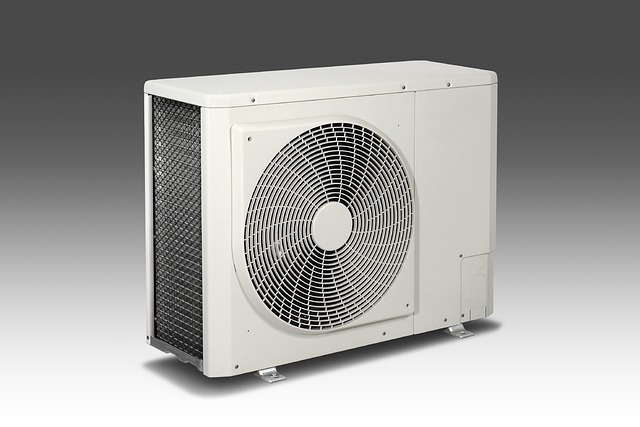
In desert climates like Arizona, where temperatures consistently soar above 100°F during the summer months, efficient heating, ventilation, and air conditioning (HVAC) systems are not just a luxury—they’re a necessity. The extreme heat demands robust and well-maintained desert-specific HVAC systems to ensure indoor comfort and air quality. A recent study found that Arizona homes with poorly maintained or outdated HVAC systems can see energy bills spike by up to 50% during peak seasons, underscoring the importance of regular inspections and upgrades.
During an Arizona home inspection, one of the key areas to assess is the HVAC system. Experts at West USA Realty recommend inspecting the ductwork for leaks or damage, checking the thermostat for accuracy, and evaluating the overall efficiency of the system. Desert-specific HVAC considerations include the use of energy-efficient models designed to withstand high temperatures and high humidity, as well as regular cleaning to prevent dust buildup, which can reduce system efficiency and air quality.
For example, in Phoenix, where the summer heat can be relentless, a poorly maintained HVAC system can lead to not only higher energy bills but also increased health risks due to poor indoor air quality. Conversely, a well-maintained desert-specific HVAC system can not only keep the indoor environment comfortable but also reduce the strain on the system, extending its lifespan. Homeowners should consider scheduling regular Arizona home inspections to ensure their HVAC systems are functioning optimally, saving them money and enhancing their overall comfort and health.
Navigating Variable vs. Fixed Rate Mortgages

Navigating Variable vs. Fixed Rate Mortgages
When considering a mortgage for your Arizona home, understanding the distinction between variable and fixed rates is paramount. These two options represent fundamentally different approaches to managing your loan payments over time, each with its own set of advantages and considerations. In an ever-changing market, where interest rates fluctuate unpredictably, making an informed decision can significantly impact your financial well-being, especially in the desert’s unique real estate landscape.
Variable rate mortgages, often linked to indices like the London Interbank Offered Rate (LIBOR), adjust periodically based on prevailing economic conditions. Initially, these rates may appear lower than fixed rates, attracting borrowers seeking temporary savings. However, the risk lies in potential spikes during periods of rising interest rates, which can lead to substantial increases in monthly payments. In Arizona’s competitive real estate market, where prices and demand fluctuate, this uncertainty could make budgeting challenging during an already dynamic home-buying process. For instance, a 30-year fixed rate mortgage currently sits around 3%, while a 5/1 ARM (adjustable-rate mortgage) might offer an initial rate of 2.75%, saving approximately $50 per month on a $400,000 loan. However, after the first five years, that savings evaporates as the rate adjusts upward.
On the contrary, fixed-rate mortgages maintain consistent payments over the life of the loan, providing borrowers with predictability and protection against rising rates. This stability is particularly beneficial for Arizona homeowners who plan to reside in their properties for an extended period. For example, a 30-year fixed-rate mortgage guarantees that your monthly payment will remain unchanged, allowing you to budget effectively and potentially save for other important desert-specific HVAC needs or home inspections (recommended 1-3 times during ownership) without unexpected financial surprises. When comparing costs over the full term of the loan, a fixed rate can be significantly more favorable, especially in a market where rates have historically trended upward.
To make an informed decision, borrowers should consider their financial goals and tolerance for risk. Consulting with a real estate professional like West USA Realty can offer valuable insights tailored to Arizona’s unique market dynamics. Ultimately, whether choosing a variable or fixed-rate mortgage, understanding the implications of your selection is key to ensuring financial security in both the short and long term during your journey as an Arizona homeowner.
Local Market Trends: Desert-Specific Insights

The desert climate presents unique challenges and opportunities when it comes to mortgage rates and home ownership. In states like Arizona, where expansive desert landscapes dominate, understanding local market trends is essential for both buyers and sellers. Unlike more temperate regions, desert-specific HVAC considerations can significantly impact home costs and comfort. For instance, in Phoenix, Arizona, the intense summer heat necessitates robust air conditioning systems, driving up installation and maintenance costs compared to areas with milder climates.
When examining Arizona home inspection reports, especially in desert cities like Tucson and Yuma, professionals frequently note elevated energy costs due to air conditioning demands. This, in turn, influences mortgage rates, as lenders factor in the higher energy expenditures when assessing property values. West USA Realty agents, with deep knowledge of these markets, advise clients to consider long-term savings by investing in energy-efficient systems, which can lower monthly utility bills and enhance home appeal. According to recent data, homes in desert regions with well-maintained, energy-efficient HVAC systems sell for an average of 5% more than comparable properties with outdated systems.
Moreover, local market trends reveal that desert cities often experience seasonal fluctuations in mortgage rates. During the winter months, when demand for desert getaways increases, rates tend to rise due to higher borrowing activity. Conversely, the summer months, traditionally a slower period, may offer more favorable interest rates. Homebuyers in these areas should be prepared for these shifts and consider locking in rates when they reach record lows to avoid potential future increases. Regular Arizona home inspections can also help identify HVAC issues early, preventing more costly repairs and ensuring a smoother mortgage process.
Strategies for Securing Favorable Mortgage Rates

Securing favorable mortgage rates requires a strategic approach, especially in a competitive market like Arizona, where real estate is a significant investment. One effective strategy is to focus on your credit score, as it plays a crucial role in determining the interest rates you’ll receive. Maintaining a strong credit history, paying bills on time, and keeping credit utilization low can all positively impact your score. According to recent data, a credit score of 740 or higher often qualifies borrowers for the best rates.
An Arizona home inspection, conducted by professionals at West USA Realty, can also be a valuable asset. A thorough inspection identifies potential issues that might affect the property’s value, and addressing these problems before applying for a mortgage can improve your loan terms. For instance, fixing minor repairs or addressing structural concerns can demonstrate to lenders that you’re committed to maintaining the property, enhancing your borrowing power.
Furthermore, being flexible with your loan terms and understanding the market trends is essential. Consider adjusting your loan amount or term to meet the lender’s requirements. In today’s desert-specific HVAC market, where temperatures can soar, efficient energy usage is a priority. Lenders often favor borrowers who invest in energy-efficient homes or appliances, as it reduces long-term maintenance costs. This strategy not only secures better rates but also provides cost savings over time.