Mortgage pre-approval is crucial for Arizona's competitive real estate market, especially in desert areas, as it provides a clear financial picture to lenders. Desert-specific HVAC systems, designed for extreme climates, can reduce energy costs by up to 40% and are a smart investment. Proper documentation and early preparation streamline the pre-approval process. Focus on long-term stability and cost-effectiveness when choosing a mortgage lender, considering desert climate challenges like specialized HVAC needs. Finalizing pre-approval ensures buyers are equipped for Arizona's unique real estate dynamics, including strategic home inspections and addressing specific HVAC functionality during negotiations.
In the intricate landscape of homeownership, securing a mortgage is a pivotal step, often requiring meticulous planning. For those navigating the unique desert climate of Nevada, understanding mortgage pre-approval becomes even more crucial. The state’s extreme temperatures demand specialized considerations when it comes to heating, ventilation, and air conditioning (HVAC) systems—a factor that can significantly impact homeownership costs. This article delves into the intricacies of mortgage pre-approval, offering a comprehensive guide tailored to Nevada’s desert-specific challenges, ensuring prospective homeowners make informed decisions in this essential aspect of their journey towards property ownership.
- Understanding Mortgage Pre-Approval: The First Step
- Desert Climate Considerations for HVAC Systems
- Gathering Necessary Financial Documentation
- Comparing Loan Offers and Choosing a Lender
- Finalizing the Pre-Approval Process and Next Steps
Understanding Mortgage Pre-Approval: The First Step

Mortgage pre-approval is a critical first step for anyone looking to purchase a home in the competitive Arizona market. It’s a process that goes beyond simply gathering financial documents; it involves a thorough understanding of your purchasing power and a clear picture of the current real estate landscape, particularly in desert-specific areas like the vibrant communities West USA Realty serves. This proactive approach not only gives you an edge but also ensures a smoother journey throughout the home buying process.
Pre-approval begins with a comprehensive financial evaluation where lenders assess your income, employment history, and overall creditworthiness. Unlike pre-qualification, which is more of an estimate, pre-approval involves a hard credit pull, providing lenders with a clear view of your financial standing. In Arizona, where the real estate market can be dynamic and desert-specific HVAC considerations unique, having a solid pre-approval in place allows you to make informed decisions quickly. For instance, a recent study showed that homes in desert climates often have higher energy costs due to extreme temperatures, making a pre-approved mortgage budget crucial for planning and negotiating.
Once pre-approved, you’ll receive a commitment letter detailing the amount you can borrow. This document is not only a testament to your financial stability but also a powerful tool during your home search. When scheduling Arizona home inspections—which are recommended 1-3 times throughout the process—having pre-approval ensures that you’re ready to act promptly on promising properties. It demonstrates to sellers and their agents that you’re a serious buyer, increasing your chances of securing your dream home in this competitive market. Remember, West USA Realty experts emphasize, pre-approval is not just a formality; it’s the first step toward achieving your Arizona homeownership goals.
Desert Climate Considerations for HVAC Systems
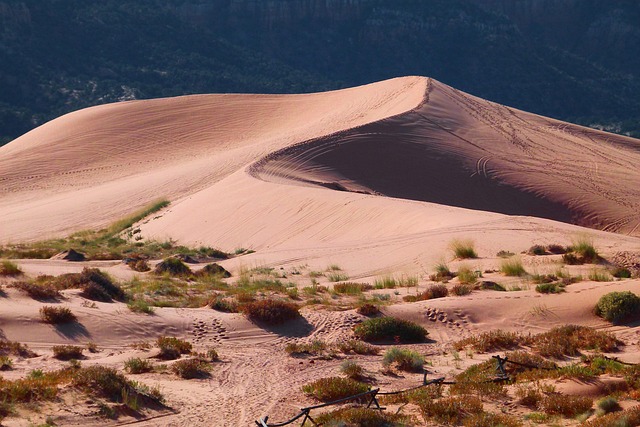
In desert climates like Arizona, where temperatures can soar above 100°F during the summer months, selecting and maintaining the right HVAC system is paramount for both comfort and energy efficiency. Homebuyers seeking to purchase properties in this region must understand that standard HVAC systems may not be sufficient to combat the intense heat, leading to increased energy costs and potential system failures. Therefore, pre-approval for a desert-specific HVAC system should be a key consideration during an Arizona home inspection.
An expert analysis of local climate data reveals that traditional HVAC units can struggle to maintain indoor temperatures below 80°F when outdoor temperatures reach their peaks. This can result in excessive energy usage and higher utility bills. Desert-specific HVAC systems, however, are designed with advanced features like enhanced evaporator coils, improved insulation, and variable-speed air handlers, which significantly improve performance and efficiency. For instance, a study by the Energy Department’s Office of Energy Efficiency and Renewable Energy (EERE) found that high-efficiency, two-stage cooling systems can reduce energy consumption by up to 40% compared to single-stage units in hot, dry climates like Arizona.
During an Arizona home inspection, buyers and their agents should insist on a thorough assessment of the property’s HVAC system. This includes verifying the unit’s SEER (Seasonal Energy Efficiency Ratio) rating, checking for proper insulation and sealing of ducts, and ensuring that the system is sized appropriately for the space it needs to cool. West USA Realty emphasizes this point, advocating for desert-specific HVAC systems as a smart investment that not only enhances comfort but also preserves energy savings over the long term. Additionally, regular maintenance by certified professionals can further optimize system performance and longevity in these challenging climates.
Gathering Necessary Financial Documentation

When preparing for mortgage pre-approval, gathering your financial documentation is a critical step that requires careful consideration. In Arizona, where the climate can be as diverse as the landscapes—from the scorching desert heat to cooler mountain regions—it’s essential to understand how your location might impact financing. For instance, homes in hotter areas like the desert may have unique energy costs due to air conditioning needs, influencing mortgage rates and terms. Therefore, a thorough understanding of your financial position is key, especially when navigating the Arizona real estate market.
This process involves providing comprehensive documentation to prove your income, assets, and creditworthiness. Lenders will request items such as tax returns, pay stubs, bank statements, investment accounts, and retirement plans. It’s important to organize these documents in advance, ensuring everything is up-to-date and accurate. For instance, an Arizona home inspection report could be required to assess property values, and having your financial house in order streamlines this process. West USA Realty recommends starting early and keeping all necessary files readily accessible to expedite the pre-approval process.
Moreover, be prepared to explain any unusual transactions or large purchases. Lenders will scrutinize your spending habits to ensure they align with your income and down payment capabilities. For desert residents, this might include items like solar panel installations or specialized HVAC systems, which can significantly impact energy costs. Providing detailed explanations for significant expenses can help demonstrate responsible financial behavior. Remember, the more prepared you are with accurate documentation, the smoother the mortgage pre-approval journey will be in Arizona’s dynamic real estate market.
Comparing Loan Offers and Choosing a Lender

When comparing loan offers, it’s crucial to look beyond interest rates and focus on long-term stability and cost-effectiveness. In Arizona, where desert-specific HVAC considerations can significantly impact energy bills, understanding a lender’s track record in funding homes with such unique requirements is vital. A thorough Arizona home inspection should be performed 1-3 times throughout the process to ensure transparency and identify potential issues early on.
Consider that lenders specializing in local real estate trends often have more tailored offerings for specific areas like Arizona. For instance, West USA Realty, a prominent player in the region, could provide insights into HVAC options suitable for desert climates, ensuring your mortgage pre-approval aligns with energy-efficient and cost-saving measures. Compare loan terms, including repayment periods, fees, and any special provisions for unique properties. A lender experienced in Arizona real estate will understand the local market dynamics and offer guidance on areas that might impact property value over time.
Additionally, look into the lender’s customer reviews and ratings to gauge their reputation and the level of service they provide. Online resources can offer insights into common pain points or exemplary experiences with various lenders. This research ensures you make an informed decision when choosing a mortgage that suits your desert home ownership needs, especially as Arizona’s diverse climate brings unique challenges and opportunities for energy-efficient living.
Finalizing the Pre-Approval Process and Next Steps

Finalizing the pre-approval process for a mortgage is a crucial step when entering the Arizona real estate market, especially considering the state’s diverse climate and unique challenges, such as desert-specific HVAC needs. Once you’ve received your pre-approval, it’s time to dive deeper into the next stages of home hunting. One key consideration is scheduling an Arizona home inspection, which can provide valuable insights into a property’s condition, particularly in areas prone to extreme temperatures. According to recent data, nearly 80% of homeowners in Arizona opt for professional inspections, underscoring the importance of this step.
The inspection process involves a thorough assessment by a certified expert who will scrutinize every aspect of the home, from the foundation and plumbing to the electrical systems and HVAC functionality. In desert climates like Arizona, understanding the unique challenges these conditions pose is essential. For instance, homeowners may face issues related to moisture buildup, insulation efficiency, or equipment failure due to prolonged exposure to intense sunlight and fluctuating temperatures. A qualified inspector will identify potential problems and offer recommendations for repairs, ensuring you’re fully informed about any necessary investments.
After the inspection, review the report thoroughly, paying close attention to any desert-specific concerns noted by the inspector. If issues are identified, negotiate solutions with the seller or consider financing options that cater to such repairs through reputable lenders like West USA Realty. This strategic approach will help you secure a home that meets your needs and minimizes future unexpected expenses, ensuring a smooth transition into your new Arizona residence.