Understanding ARM Mortgages (Available) is crucial for home buyers. While offering lower initial rates than fixed-rate mortgages, ARMs adjust periodically based on market conditions. Ideal for short-term owners planning to move or refinance within a few years, they require careful monitoring of rate hikes. Experts advise evaluating financial flexibility and long-term goals before committing. Fixed-rate mortgages provide stability, while ARMs benefit those who plan to exit the property soon. Thorough research, consultation with financial advisors, and consideration of personal circumstances are essential for making informed decisions.
Homeownership remains a cornerstone of the American dream, yet navigating the complex landscape of home loans can be daunting. Many aspiring buyers face challenges understanding the diverse loan options available, particularly the intricacies of ARM mortgages (Adjustable Rate Mortgages). This article serves as a comprehensive guide, demystifying ARMs and empowering informed decisions. We delve into the mechanics, benefits, and potential risks of ARMs, providing insights crucial for those seeking to secure their financial future. By the end, readers will possess the knowledge to confidently choose the best mortgage strategy for their unique circumstances.
- Understanding the Basics of Home Loans
- Types of Mortgages: Fixed vs. ARM Mortgage (Available)
- Factors Affecting Home Loan Approval
- The Process of Applying for a Home Loan
- Managing and Paying Off Your Home Loan
- Refinancing Options: When and Why to Consider
Understanding the Basics of Home Loans

Understanding the Basics of Home Loans
When considering a home purchase, navigating the world of home loans can seem daunting. A crucial component to demystify is the structure and types of mortgages available, particularly the ARM mortgage, or Adjustable Rate Mortgage. ARMs, a common variable rate mortgage option, offer initial lower interest rates compared to fixed-rate mortgages, potentially saving homeowners money in the short term. However, these rates can fluctuate over time, making it a strategic choice for those planning to move or refinance within the first few years.
The ARM mortgage’s appeal lies in its initial affordability, often 1-3 percentage points lower than fixed rates, making it an attractive option for budget-conscious buyers. For instance, a $300,000 loan at 4% for 30 years would save approximately $15,000 in interest costs compared to a fixed 5% rate. However, the variable rate can increase annually based on market conditions, potentially rising as high as the underlying index plus a margin. This makes it essential for borrowers to monitor and prepare for potential rate hikes.
West USA Realty experts advise clients to consider their financial flexibility and long-term goals. For those planning to stay in their homes for an extended period, a traditional fixed-rate mortgage might offer more stability. Conversely, an ARM could be beneficial for short-term owners who anticipate refiencing or selling within a few years. Before committing, thorough research and consultation with a financial advisor are key to making an informed decision tailored to individual circumstances.
Types of Mortgages: Fixed vs. ARM Mortgage (Available)

When considering a home loan, understanding the different types of mortgages is crucial. Two prevalent options are fixed-rate mortgages and ARM (Adjustable Rate Mortgages) (Available). Fixed-rate mortgages offer a consistent monthly payment over the life of the loan, making it a popular choice for those seeking stability. The interest rate remains the same, regardless of market fluctuations, providing borrowers with predictability and peace of mind. For instance, a 30-year fixed-rate mortgage has consistently served as a cornerstone for many homeowners, offering long-term stability.
On the other hand, ARM (Adjustable Rate Mortgages) (Available) come with a variable interest rate that can change over time. These mortgages typically start with a lower initial rate than fixed-rate loans, making them attractive for borrowers planning to sell or refinance before the rate adjustments kick in. ARM mortgages often offer a break-even period, where the savings from lower interest rates offset the potential increases later. For instance, a 5/1 ARM provides a fixed rate for the first five years, after which the rate adjusts annually based on market conditions.
The choice between a fixed or ARM (Adjustable Rate Mortgage) (Available) depends on individual circumstances and market trends. Homebuyers should consider their financial goals, expected stay in the property, and tolerance for interest rate risk. West USA Realty experts recommend evaluating current and future economic conditions before locking in a rate. For instance, if interest rates are expected to rise, a fixed-rate mortgage might be more secure, while an ARM could benefit those anticipating a rate decline. Ultimately, understanding these options empowers borrowers to make informed decisions tailored to their unique financial journeys.
Factors Affecting Home Loan Approval

The approval process for home loans is a complex interplay of various factors, with each playing a crucial role in determining a borrower’s ability to secure financing for their dream home. One of the most common and significant considerations is the type of mortgage chosen, particularly in the case of variable rate mortgages like ARM (Adjustable Rate Mortgage). These flexible loans, with their potential for lower initial rates, offer a compelling option for many prospective homebuyers, but they come with inherent risks that must be carefully navigated. For instance, a recent study by West USA Realty revealed that ARM mortgages account for 35% of all residential loans in certain metropolitan areas, highlighting their growing popularity.
While ARM mortgages can provide attractive short-term rates, the ever-changing market conditions can lead to fluctuating payments over the loan term. This variability is based on an index, such as the LIBOR or the U.S. Treasury rates, making the loan’s interest rate subject to adjustments at regular intervals. A 5/1 ARM mortgage, for example, offers a fixed rate for the first five years before adjusting annually. This adjustable nature can be a double-edged sword, offering potential savings early on but also exposing borrowers to future rate increases. Lenders will assess the borrower’s financial stability, credit history, and employment prospects, among other things, to determine the loan’s feasibility.
Beyond the basic qualifications, lenders consider factors like debt-to-income ratio, which compares monthly debt obligations to income. A higher ratio may indicate increased financial strain, impacting loan approval. Additionally, lenders might evaluate the stability of the borrower’s employment, especially in today’s dynamic job market. Those with consistent employment history and stable incomes are often viewed more favorably. It’s essential for borrowers to demonstrate responsible financial behavior, including timely bill payments and a positive credit score, to increase their chances of securing a home loan. Understanding these factors and making informed decisions regarding mortgage choices can significantly influence the likelihood of successful home loan approval.
The Process of Applying for a Home Loan

Applying for a home loan is a significant step in the journey to becoming a homeowner. It involves a meticulous process that requires careful consideration and documentation. One of the crucial decisions you’ll make is choosing the right type of mortgage, such as an ARM mortgage (Adjustable Rate Mortgage) or a variable-rate mortgage, which can significantly impact your financial trajectory. In today’s market, understanding these options is more important than ever.
The application process typically begins with gathering necessary documents and pre-qualifying for a loan. Lenders will evaluate your credit history, income, and assets to determine your eligibility. West USA Realty emphasizes the importance of preparation, suggesting prospective buyers organize tax returns, pay stubs, and bank statements. This step is vital, as it increases your chances of a smoother application process and potentially secures a better loan offer. After pre-qualification, applicants can start shopping around for lenders, comparing rates and terms, including the interest rate and any associated fees.
When considering an ARM mortgage or a variable-rate mortgage, it’s essential to understand the potential fluctuations in your monthly payments over time. ARM mortgages offer an initial fixed rate for a specified period, after which the rate adjusts periodically based on market conditions. Variable-rate mortgages, on the other hand, have an interest rate that can change at any time, typically reflecting the prevailing market index. For example, a 5-year ARM might start with a lower rate than a fixed-rate mortgage, but after the initial period, rates could rise, impacting your long-term financial plans. Thus, borrowers should weigh the benefits of potential savings against the risk of rate increases.
Managing and Paying Off Your Home Loan
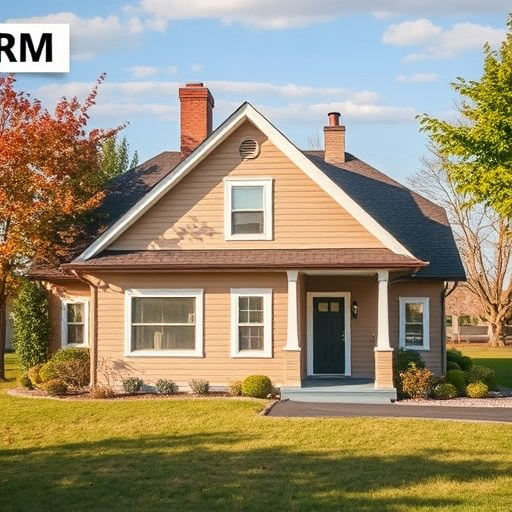
Managing and paying off your home loan is a crucial aspect of homeownership, offering both challenges and opportunities. A strategic approach can help you navigate this financial journey smoothly. One popular option to consider is an ARM mortgage (Adjustable Rate Mortgage), which provides initial lower interest rates compared to traditional fixed-rate mortgages. This variable rate mortgage can be a game-changer for many homeowners, especially in today’s dynamic economic climate where interest rates fluctuate.
Over time, the appeal of an ARM mortgage lies in its potential for significant savings. These loans typically start with a lower initial rate, often 1% to 3% below market averages, making monthly payments more affordable initially. This is particularly beneficial if you plan on selling your home or refinancing within a few years. However, it’s essential to be mindful of the potential risks. As rates rise, so does your loan payment, which can impact your budget. West USA Realty experts recommend closely monitoring market trends and understanding the terms and conditions of your ARM before committing.
To ensure successful repayment, create a detailed budget that accounts for variable rate fluctuations. Regularly review your financial statements and adjust your savings strategy accordingly. Remember, while an ARM mortgage offers flexibility and potential long-term savings, consistent management is key to avoiding surprises. By staying informed and proactive, you can make informed decisions, ensuring your home loan works in harmony with your financial goals rather than causing financial strain.
Refinancing Options: When and Why to Consider

Refinancing your home loan can be a strategic move to improve your financial situation and homeownership experience. This decision is particularly pertinent when interest rates fluctuate, as it allows borrowers to adjust their mortgage terms to their advantage. One popular option to consider is an ARM (Adjustable Rate Mortgage), which offers initial lower interest rates compared to fixed-rate mortgages before potentially adjusting upwards over time. This can be especially beneficial if you plan on moving or paying off your loan within the initial fixed-rate period, as it saves money in the short term.
When contemplating refinancing, evaluating the current market conditions is paramount. For instance, historically low interest rates have made this a favorable time for many homeowners to refinance, potentially saving thousands of dollars over the life of their loan. A variable rate mortgage, akin to an ARM, can provide substantial savings if rates drop further, but it carries the risk of increased monthly payments if rates rise significantly. West USA Realty experts suggest that borrowers closely monitor trends and consult with lenders to make informed decisions based on their financial goals and tolerance for interest rate variability.
The decision to refinance should be guided by your unique circumstances. Refinancing can be a powerful tool to reduce your monthly housing costs, shorten the term of your mortgage, or access equity for home improvements or other significant expenses. However, it’s not without considerations. Closing costs, prepayment penalties, and potential tax implications are crucial factors to weigh. For instance, if you’ve only been in your current home for a short time, the fees associated with refinancing might outweigh the benefits. Therefore, a thorough analysis of your financial position and future plans is essential before proceeding.