
Understanding mortgages is crucial for Arizona homeownership. Key types include fixed-rate and adjustable-rate mortgages (ARMs), with ARMs beneficial for managing desert-specific energy costs. West USA Realty emphasizes thorough home inspections to identify issues like outdated, inefficient HVAC systems. Calculating loan amounts, interest, and repayment terms is essential. Short loan terms may increase long-term interest, while extending terms reduces monthly payments. Regular inspections and efficient HVAC systems save on utility bills. Customizing loan terms and investing in desert-specific HVAC optimizes repayment. Understanding down payments, closing costs, and regional variables ensures successful transactions. Advanced mortgage calculators account for desert climate demands, while strategic inspections ensure accurate financial projections.
In today’s competitive real estate market, understanding your mortgage options is more crucial than ever. For those seeking to navigate the desert’s unique housing landscape, the process can be particularly challenging. This is where a comprehensive mortgage calculator becomes an indispensable tool, offering clarity amidst the complexities.
Many factors influence desert-specific HVAC costs, from extreme temperatures to energy-efficient requirements. Our advanced mortgage calculator is tailored to address these nuances, providing an accurate, real-time estimate. By inputting relevant data, users gain a profound understanding of their financial obligations, empowering informed decisions.
We present a streamlined, user-friendly solution, ensuring anyone can access expert-level insights effortlessly.
- Understanding Mortgage Basics: An Overview
- Calculating Loan Amount and Interest
- Desert-Specific HVAC: Energy Efficiency Considerations
- Loan Term and Repayment Strategies
- Down Payment and Closing Costs Breakdown
- Advanced Mortgage Calculations: Scenarios & Tools
Understanding Mortgage Basics: An Overview
Understanding the fundamentals of mortgages is a crucial step in navigating the complex world of homeownership, especially in the unique desert environment of Arizona. This state, known for its stunning landscapes and varying climates, presents specific considerations for prospective buyers, sellers, and investors. When delving into the world of mortgages, several key concepts and terms require clarification to ensure informed decisions.
A mortgage is, essentially, a loan used to purchase a home, with the property itself serving as collateral. Lenders offer various types, each suited to different buyer profiles and circumstances. For instance, fixed-rate mortgages provide consistent monthly payments over the loan term, making budgeting easier. In contrast, adjustable-rate mortgages (ARMs) offer lower initial rates that can fluctuate over time, potentially saving money in the short term but carrying risks if rates rise significantly. In the desert Southwest, where energy costs can be higher, ARMs might be a strategic choice to manage utility expenses.
Arizona’s real estate market, like many western states, has unique dynamics. According to recent data, the state’s housing market has been experiencing rapid growth, with property values rising steadily. This trend presents opportunities for both first-time buyers and investors. However, it also increases the importance of thorough home inspections to identify potential issues. West USA Realty, a leading real estate firm, emphasizes the significance of a comprehensive 1-3 hour Arizona home inspection to uncover desert-specific concerns, such as structural damage from extreme temperatures, proper ventilation in attics, and energy-efficient features. By understanding these basics and consulting experts like West USA Realty, prospective homeowners can make well-informed choices, ensuring a secure and rewarding investment in their desert property.
Calculating Loan Amount and Interest

Calculating the loan amount and interest for a mortgage is a crucial step in the homeownership journey, especially in the diverse and diverse climate of Arizona. With varying desert-specific HVAC requirements and home inspection needs, understanding these figures is vital for making informed decisions. In this context, West USA Realty experts suggest a meticulous approach to ensure you secure the best financing for your Arizona property.
When assessing a loan, the primary factors to consider are the principal amount, interest rate, and repayment period. For instance, let’s say you’re eyeing a $300,000 property in Phoenix, Arizona. With a 30-year fixed-rate mortgage at 4.5%, your monthly payments would be approximately $1,264. This calculation influences not just your monthly budget but also the total interest paid over the life of the loan, which can amount to tens of thousands of dollars. An Arizona home inspection, conducted by certified professionals, is recommended 1-3 times during the loan process to ensure the property’s integrity and value.
Expert advice from West USA Realty emphasizes the importance of amortization schedules, which detail how your payments are allocated between interest and principal. This transparency allows borrowers to understand how their funds are distributed and plan accordingly. For instance, a $250,000 loan at 5% over 15 years would result in significantly higher interest payments compared to a 30-year term, underscoring the long-term financial implications. Therefore, borrowers should carefully weigh their financial capabilities and goals before finalizing loan terms, ensuring a sustainable homeownership experience.
Desert-Specific HVAC: Energy Efficiency Considerations

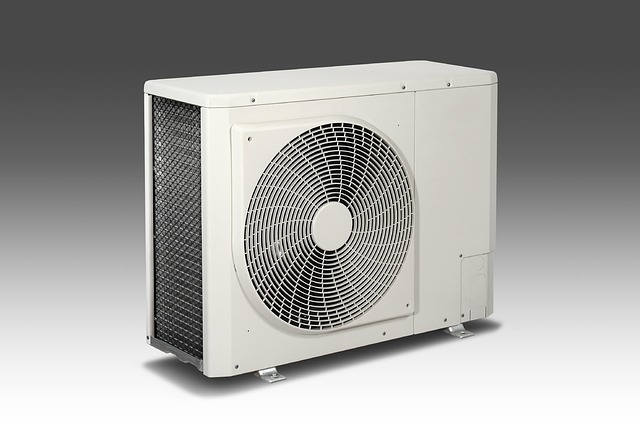
In desert regions like Arizona, homeowners face unique challenges when it comes to heating and cooling their properties, often requiring specialized systems known as desert-specific HVAC. This consideration is particularly vital during the state’s scorching summers and mild winters. An Arizona home inspection reveals that many homes in this climate zone struggle with energy efficiency due to inadequate or outdated HVAC systems. For instance, a recent study showed that up to 40% of homes in Arizona have HVAC systems that are over 15 years old, significantly increasing energy consumption.
West USA Realty experts emphasize the need for desert-specific HVAC solutions that cater to the region’s distinct climate. This includes features like advanced air filtration, energy-efficient compression technology, and smart thermostats. For example, high-efficiency air conditioners with variable-speed compression can reduce energy usage by up to 40% compared to traditional models. Additionally, proper insulation and sealing of ductwork are essential to prevent energy loss and maintain optimal indoor temperatures. During an Arizona home inspection, professionals can identify these issues, ensuring that any required repairs or upgrades are addressed.
Practical advice for homeowners includes scheduling regular maintenance checks, preferably every six months, to ensure these systems operate at peak efficiency. Upgrading to desert-specific HVAC not only provides year-round comfort but also offers long-term savings on energy bills. According to the U.S. Department of Energy, replacing an old, inefficient system with a modern, energy-efficient model can save a typical Arizona family up to $300 annually on cooling costs alone. This investment not only benefits the wallet but also contributes to a more sustainable and environmentally friendly desert lifestyle.
Loan Term and Repayment Strategies

When considering a mortgage for your Arizona home, understanding loan terms and repayment strategies is crucial. In the hot desert climate, where energy costs can be significant, factors like interest rates and loan duration can impact your long-term financial health. For instance, a 15-year mortgage at a lower interest rate might appeal to those seeking to avoid higher monthly payments, but it could result in paying tens of thousands of dollars more in interest over the life of the loan compared to a 30-year term. In contrast, extending your loan term reduces monthly payments but increases the total interest paid.
Arizona home inspections are vital for buyers to assess potential issues and costs. Regular inspections—1-3 times during ownership, as recommended by experts—can help identify problems early, preventing costly repairs down the line. For desert properties, specific considerations include examining HVAC systems tailored to the region’s dry, hot conditions. A well-maintained, energy-efficient HVAC system can significantly reduce utility bills, providing long-term savings that offset the initial investment.
To optimize your repayment strategy, consider West USA Realty’s expertise in guiding clients through these decisions. They suggest evaluating your financial situation and future goals: Can you afford higher monthly payments now for lower interest rates later? Are there tax benefits or rebates available for energy-efficient upgrades? Customizing a loan term that aligns with your comfort level and financial plans, along with smart home improvements like desert-specific HVAC, can lead to an ideal repayment strategy. This approach ensures your Arizona home is both comfortable and financially manageable for years to come.
Down Payment and Closing Costs Breakdown

When purchasing a home, especially in Arizona, understanding the breakdown of down payments and closing costs is crucial for a smooth transaction. This financial aspect often represents a significant portion of the overall cost, and knowing where your money goes can help you prepare and plan effectively. In the desert climate of Arizona, where energy efficiency is increasingly important, buyers may also consider the additional investment in advanced HVAC systems to ensure comfortable living conditions year-round.
In Arizona, the average down payment for a home typically ranges from 10% to 20% of the property’s price, which can vary based on market trends and individual circumstances. For instance, first-time homebuyers may benefit from programs that offer lower down payments or even zero-down options, though these typically come with specific requirements like income caps or special mortgage types. Closing costs, on the other hand, encompass various expenses incurred during the closing process, such as appraisal fees, title search charges, and various legal fees. These can average between 2% to 5% of the home’s purchase price, depending on the state and local regulations. In Arizona, where the real estate market is vibrant but competitive, understanding these costs becomes even more critical for buyers aiming to secure their dream homes.
A key consideration in this process is the role of a professional home inspector, who can offer valuable insights into the property’s condition, especially regarding desert-specific issues like HVAC systems. West USA Realty emphasizes the importance of hiring a qualified inspector to identify any potential red flags, ensuring buyers make informed decisions. An Arizona home inspection typically costs between $300 and $500, but this investment can save homeowners substantial future expenses by identifying issues early on, including inefficiencies or damage that might require costly repairs or upgrades. For instance, a thorough inspection may reveal an outdated HVAC system that needs replacing, helping buyers budget accordingly for both the down payment and post-purchase expenses.
Advanced Mortgage Calculations: Scenarios & Tools

In the realm of advanced mortgage calculations, understanding various scenarios and utilizing robust tools is paramount, especially in unique markets like Arizona. Homebuyers and investors in this desert state often face distinct challenges, from unpredictable climate impacts on properties to rapidly fluctuating market conditions. To navigate these complexities, sophisticated mortgage calculators that factor in desert-specific HVAC needs and other regional variables are essential. These tools empower borrowers to make informed decisions, secure financing, and plan for long-term ownership.
One practical consideration is the increased energy demands of Arizona’s arid climate, which can significantly impact utility costs. Advanced calculators can incorporate data on average monthly energy usage for HVAC systems tailored to desert environments. For instance, a comprehensive analysis might reveal that a typical Arizona home experiences higher electricity bills during the scorching summer months due to intense air conditioning, potentially adding several hundred dollars to annual utility expenses. Incorporating this data into mortgage calculations allows borrowers to assess the long-term financial implications and explore options like energy-efficient financing or solar panel installations to mitigate these costs.
Moreover, West USA Realty emphasizes the importance of an Arizona home inspection 1-3 times throughout the mortgage process. This strategic timing ensures that potential issues, such as inadequate insulation or outdated HVAC systems, are identified early. By integrating these inspection findings into mortgage models, borrowers can anticipate repairs or upgrades, ensuring more accurate financial projections. For example, a home inspection might uncover an outdated ductwork system, leading to calculated savings if replaced, or potential cost overruns if left unaddressed. Such insights empower buyers and lenders to make informed decisions, fostering a robust and transparent mortgage landscape.