
Realtors facilitate real estate transactions, managing property matches, marketing, negotiations, paperwork, and compliance with regulations, including realtor closing costs. They guide clients through complex processes, ensure disclosures, and coordinate legal finalization at closing. Understanding and budgeting for realtor closing costs, which can reach 2-5% of the purchase price, are essential for buyers and sellers. West USA Realty emphasizes transparency in their fee structures. Proactive communication with agents can help mitigate these costs.
In the dynamic realm of real estate, a key player often overlooked yet indispensable is the real estate brokerage. Facilitating transactions between buyers and sellers, these professionals navigate complex markets, ensuring smooth processes. However, one significant challenge lies in understanding and managing realtor closing costs—a labyrinthine aspect that can significantly impact overall transaction costs.
This article delves into the intricacies of real estate brokerage, offering an authoritative guide to demystifying these costs. By the end, you’ll be equipped with the knowledge to make informed decisions, ensuring a more transparent and cost-efficient journey in your next property acquisition or sale.
- Understanding Real Estate Brokerage Roles and Responsibilities
- The Buying and Selling Process: A Step-by-Step Guide
- Deciphering Realtor Closing Costs: What Buyers and Sellers Need to Know
Understanding Real Estate Brokerage Roles and Responsibilities

In the dynamic landscape of real estate, understanding the roles and responsibilities of a realtor is paramount for both buyers and sellers navigating the market. A real estate brokerage, led by agents like those at West USA Realty, serves as the linchpin, facilitating transactions between parties. Their expertise lies in matching properties with suitable buyers or tenants while ensuring a smooth, legal transfer of ownership. This involves a multitude of tasks, from marketing listings to negotiating terms and managing paperwork, all aimed at achieving a successful closing.
One of the key aspects that sets realtors apart is their ability to guide clients through the complex process of purchasing or selling property. They begin by assessing individual needs and preferences, using advanced market knowledge to identify suitable options. As professionals, they are well-versed in local regulations, including realtor closing costs and real estate agent fees at closing—essential components that can significantly impact the overall transaction. By providing comprehensive disclosures, they ensure transparency throughout, fostering trust with clients.
At closing, the realtor’s role reaches its zenith. They coordinate with legal professionals to finalize documents, ensuring all terms are met. This includes negotiating any contingencies and verifying funding sources. Their expertise in handling various scenarios, from straightforward sales to complex negotiations, helps steer the process toward a successful conclusion. Moreover, many realtors offer valuable insights into post-closing matters, such as property maintenance tips or referrals for insurance and utility services, ensuring a seamless transition for new homeowners.
The Buying and Selling Process: A Step-by-Step Guide

The buying and selling process of real estate can be complex, but with the guidance of a skilled realtor, it becomes a structured journey. This step-by-step guide aims to demystify the process, focusing on an efficient transaction with minimal hassle. It begins with understanding your needs and preferences, where a reputable real estate agent like those at West USA Realty excels in listening to clients’ unique circumstances. They’ll help you define must-haves and nice-to-haves, guiding you through market trends and comparable properties.
Once you’ve found the perfect home—or decided on a listing to sell—the negotiation phase kicks in. Here, your realtor plays a pivotal role, advocating for your best interests. They’ll assist with crafting offers, considering not just price but also terms and conditions, to ensure a favorable outcome. During this time, it’s crucial to be aware of potential realtor closing costs and real estate agent fees at closing, which can vary based on market conditions and the complexity of the transaction. Transparent communication from your agent regarding these costs is essential.
After an offer is accepted, the process enters its final stages. The realtor facilitates the inspection, appraisal, and any necessary repairs, ensuring a smooth transition. They’ll also help coordinate with lenders, attorneys, and other parties involved to finalize the paperwork. This phase demands meticulous attention to detail as various documents are reviewed and signed, including disclosure forms that outline potential realtor closing costs. As the saying goes, “A good realtor makes all the difference,” and this is particularly evident in navigating these final steps.
Closing day marks the culmination of your real estate journey. Here, your realtor ensures all parties are present and that all funds are in order. They’ll guide you through signing the closing documents, including a detailed breakdown of all costs involved. This includes not only realtor fees but also property taxes, title insurance, and any other associated charges. At West USA Realty, we pride ourselves on ensuring our clients understand every step and cost, fostering a transparent and successful real estate experience.
Deciphering Realtor Closing Costs: What Buyers and Sellers Need to Know
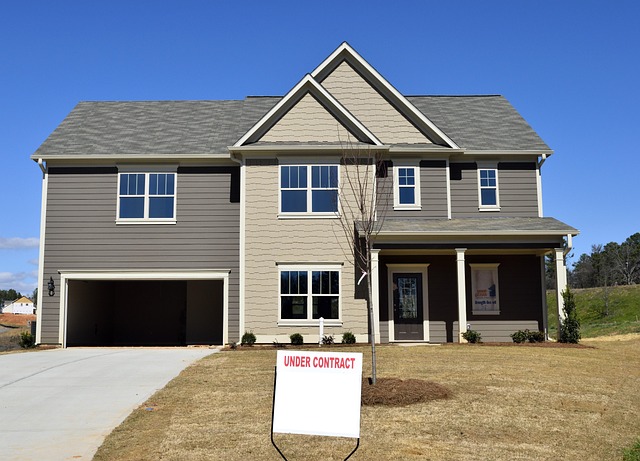
When navigating the real estate market, understanding realtor closing costs is paramount for both buyers and sellers. Closing costs encompass various expenses associated with the transfer of property ownership, and they can significantly impact the overall financial burden. These fees often include a range of charges, from legal services to appraisal fees, and they vary based on location, property value, and specific market conditions. According to recent data, the average closing cost for homes in the United States hovers around 2-5% of the purchase price, with some states or markets experiencing higher rates.
One of the key components within these costs is the real estate agent fees at closing. Typically, buyers and sellers work with a real estate agent to facilitate the transaction, and these agents are entitled to compensation for their services. This fee, often referred to as a commission, can range from 1-3% of the property’s sale price, depending on the local market dynamics and the terms negotiated between the agent and client. For example, in a $500,000 home purchase, the real estate agent fees at closing could amount to $5,000-$15,000, making it a substantial consideration for both parties. West USA Realty, a leading brokerage firm, typically operates with transparent fee structures, ensuring that clients are well-informed about all associated costs from the outset.
Moreover, other closing costs include title insurance, which protects against potential liens or encumbrances on the property; various legal fees for preparing and reviewing documents; appraisal costs to ascertain the property’s value; and recording fees charged by local governments to officially register the deed transfer. It’s important for buyers and sellers to budget for these additional expenses, as they can add up to a considerable sum. To mitigate these costs, proactive communication with the real estate agent and careful consideration of closing cost negotiations can prove beneficial. Understanding the breakdown of realtor closing costs is an essential step in making informed decisions throughout the real estate transaction process.