
Selling a home involves distinct roles for listing and selling agents, crucial for managing realtor fees. Listing agents prepare properties, set asking prices, market them, and handle initial negotiations. Selling agents guide post-offer processes, negotiate terms, ensure legal compliance, and manage repairs to close the deal. Understanding these roles is key to optimizing realtor fees, with commissions typically 2.5%–6% of the sale price in the U.S., plus closing costs. Choosing a listing agent with a proven track record and effective marketing strategies can significantly impact realtor fees and the overall selling experience.
In the complex landscape of real estate transactions, understanding the roles and responsibilities of listing agents versus selling agents is paramount for anyone looking to navigate the sale of their home successfully. The choice between these professionals can significantly impact the overall process and, critically, realtor fees for selling a house. While listing agents primarily handle marketing and attracting buyers, selling agents are focused on negotiating, closing deals, and ensuring a swift and profitable transaction. This article delves into these distinct roles, providing insights that empower you to make informed decisions, ultimately leading to a smoother sale and better returns.
- Understanding Roles: Listing vs Selling Agent Differentiated
- Key Responsibilities: What Each Does for Home Sellers
- Impact on Sales: How Agents Enhance Property Visibility
- Fees and Costs: Unraveling Realtor Charges for Selling a House
- Choosing the Right Fit: Evaluating Agent Expertise and Strategies
- Success Metrics: Tracking Results to Make Informed Decisions
Understanding Roles: Listing vs Selling Agent Differentiated
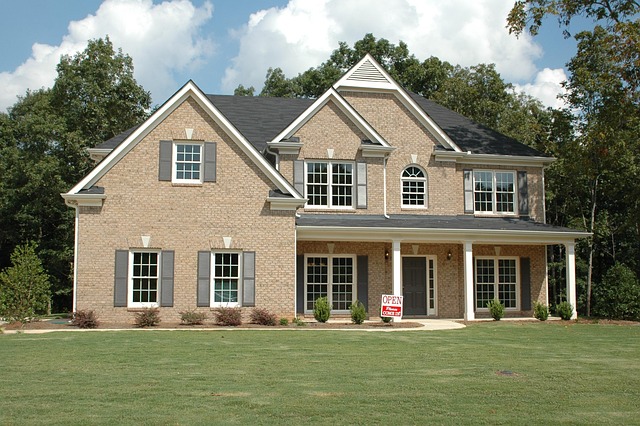
When selling a home, understanding the roles of a listing agent versus a selling agent is crucial for navigating the real estate market effectively. While both play integral parts in facilitating the transaction, their primary responsibilities diverge significantly. A listing agent is responsible for marketing and showcasing your property to potential buyers, while a selling agent specializes in negotiating and closing the deal. This differentiation is essential as it impacts not only the realtor fees for selling a house but also the overall cost of selling with an agent—which can range from 1-3% of the final sale price, depending on various factors.
The listing agent’s role begins with preparing your property for the market. They conduct a comparative market analysis to determine an optimal asking price, taking into account similar properties in the area that have recently sold. West USA Realty, for instance, leverages advanced tools and local market expertise to ensure accurate pricing strategies. Once listed, these agents handle all marketing efforts, including professional photography, virtual tours, and detailed property descriptions. They also coordinate showing appointments and communicate with potential buyers, aiming to generate interest and secure offers.
In contrast, a selling agent focuses on facilitating the transaction once an offer is accepted. Their expertise lies in negotiating terms, handling legal paperwork, and ensuring a smooth closing process. They work closely with both parties to manage expectations and address any concerns that may arise during the sale. For example, they can assist in securing financing, conducting inspections, and making necessary repairs to meet buyer requirements. By efficiently navigating these aspects, selling agents help buyers and sellers close on terms that are mutually beneficial, minimizing the cost of selling with an agent while achieving a successful transaction.
Key Responsibilities: What Each Does for Home Sellers

When considering selling your home, understanding the key responsibilities of a listing agent versus a selling agent is crucial to navigating the process effectively. While both play integral roles in facilitating the sale, their functions diverge significantly at critical junctures. A listing agent specializes in marketing and showcasing your property to prospective buyers, aiming to secure top dollar for the seller. This involves extensive knowledge of the local market, competitive pricing strategies, and creative marketing tactics to attract attention. They will handle all aspects of listing, from preparing the home for showing to negotiating offers.
On the other hand, a selling agent focuses on guiding sellers through the negotiation and closing processes. They work closely with buyers’ agents to facilitate communication and ensure a smooth transaction. A key responsibility is understanding the cost of selling with an agent—realtor fees for selling a house can vary but are typically a percentage of the final sale price. West USA Realty, for instance, offers flexible fee structures designed to align with sellers’ goals. These agents provide expert advice on accepting or countering offers, ensuring the best possible terms for their clients.
Throughout the process, sellers benefit from having an agent who will advocate for them in every step. The cost of selling with an agent, while a significant consideration, pales in comparison to the potential benefits. According to recent data, homes listed with agents typically sell for 5-7% more than those sold by owners. This is largely due to the increased visibility and efficient marketing strategies employed by professional agents, ultimately maximizing seller returns. For example, a $300,000 home listed with an agent might attract offers exceeding $324,000 (a 7% increase) compared to $285,000 if sold privately.
Impact on Sales: How Agents Enhance Property Visibility

The role of a listing agent is pivotal in the real estate transaction process as they are responsible for marketing and showcasing properties to potential buyers. When selling a house, the impact of choosing the right listing agent on property visibility cannot be overstated. These professionals employ strategic marketing techniques that extend far beyond simply putting up a sign or listing online. They leverage their vast network, industry knowledge, and expertise to attract attention from both local and distant buyers, thereby enhancing the chances of selling at the best possible price.
One of the key ways agents enhance property visibility is through high-quality photography and virtual tours. Professionally captured images can make a significant difference in how a home is perceived by prospective buyers. Agents like those at West USA Realty invest in top-tier photography, ensuring each listing showcases the property’s best features. Virtual tours allow buyers to explore every nook and cranny of a home from the comfort of their own space, providing a more comprehensive understanding of its appeal. This multi-dimensional approach significantly increases online engagement, with data suggesting that homes listed with virtual tours can garner up to 62% more views than those without.
Furthermore, listing agents play a crucial role in managing the overall sales process. They coordinate open houses, organize viewings, and handle negotiations. Their expertise in navigating market trends and understanding buyer preferences enables them to set competitive pricing strategies. This strategic approach ensures that sellers maximize their return on investment, often leading to multiple offers within the first week of listing. For instance, a study by the National Association of Realtors found that homes listed with professional assistance sold for 10% more than those without. The cost of selling with an agent, while there are realtor fees for selling a house, pales in comparison to the potential gains, especially when considering the time and stress savings for sellers.
Fees and Costs: Unraveling Realtor Charges for Selling a House

Selling a house involves a complex web of fees and costs, especially when you engage a listing agent. Understanding realtor fees for selling a house is crucial for homeowners looking to navigate the process efficiently. The primary cost is the commission, typically a percentage of the final sale price, charged by the listing agent for their services. This commission is often split between the agent and their brokerage, with the latter varying widely across regions.
In the United States, for instance, the average real estate agent commission ranges from 2.5% to 6% of the sale price, with the median sitting around 3.7%. This means, for a house sold at the median price of $350,000, the listing agent would earn between $9,250 and $21,000. Additionally, there are other associated costs, such as closing costs, which can include fees for title searches, appraisals, and various legal services. These can amount to 2% to 5% of the sale price, further enhancing the total cost of selling with an agent.
To optimize these realtor fees for selling a house, homeowners should actively shop around for agents and brokerages offering competitive rates. Some agencies, like West USA Realty, may provide more transparent pricing structures or even flat fees for specific services. Examining comparable sales in the area can also help estimate reasonable commissions. Moreover, negotiating with the agent or their brokerage is sometimes possible, especially if there are extenuating circumstances or multiple potential buyers. Understanding these charges in advance allows for better financial planning and ensures a smoother transaction process.
Choosing the Right Fit: Evaluating Agent Expertise and Strategies

Choosing the right listing agent is a crucial step in successfully selling your home. While many agents specialize in both buying and selling, some focus exclusively on one side of the transaction. A dedicated selling agent brings unique expertise to the table, designed specifically to maximize your return on investment when putting your property on the market. This specialized knowledge extends beyond simple real estate skills; it encompasses a deep understanding of local markets, pricing strategies, and marketing techniques that can significantly impact your bottom line.
When evaluating agents, delve into their track record and ask about their approach to selling properties. A seasoned professional will employ data-driven methods to analyze comparable sales in your area, ensuring your home is priced competitively yet strategically. This precision in pricing is key to attracting buyers while minimizing the time your property spends on the market. For instance, according to recent data from West USA Realty, homes listed at the right price often receive multiple offers within the first week, leading to a smoother selling process and potentially higher sales revenue.
Moreover, consider the agent’s marketing strategies. Top-tier agents invest in professional photography, virtual tours, and targeted online advertising to showcase your home to a broad audience. They may also leverage their network of other real estate professionals to generate interest from potential buyers who are not yet actively looking to purchase. Understanding how an agent plans to market your property can give you valuable insights into the cost of selling with an agent—whether it’s a flat fee, a percentage of the final sale price, or a combination of both. Ultimately, aligning with an agent whose strategy aligns with your expectations and goals will ensure a smooth and profitable transaction.
Success Metrics: Tracking Results to Make Informed Decisions

When it comes to navigating the complex process of selling a home, understanding the role and success metrics of your agent is paramount. Many homeowners are often curious about the distinction between a listing agent and a selling agent—and for good reason. This is especially true when considering realtor fees for selling a house, as these costs can significantly impact your bottom line. The key lies in recognizing that while both agents facilitate real estate transactions, their primary objectives differ, leading to varied approaches and, consequently, varying outcomes.
A listing agent, as the name suggests, specializes in marketing and listing properties for sale. Their success is measured by effectively attracting buyers, generating interest, and ultimately securing a sale. In terms of cost of selling with an agent, listing agents typically charge a commission based on a percentage of the final sale price—a fee that’s negotiable but commonly runs between 2-3% in many markets, including areas served by West USA Realty. Their focus is on maximizing exposure for your property, employing various marketing strategies, and negotiating terms to achieve the best possible outcome for you as the seller. However, their primary responsibility ends with a successful sale, leaving post-sale support and guidance to the buyer’s agent or another professional.
On the other hand, a selling agent, also known as a buyer’s agent in some contexts, is more focused on assisting buyers throughout the entire transaction process. They work closely with sellers to understand their goals, negotiate offers, and guide them through the legal aspects of selling. While they don’t directly handle marketing or listing, they play a crucial role in facilitating a smooth sale. The cost of selling with an agent for these professionals is typically lower compared to listing agents, often structured as a flat fee or a smaller percentage, ensuring a more budget-friendly option for sellers.
In tracking results and making informed decisions, it’s essential for both homeowners and agents to monitor key performance indicators (KPIs). These metrics provide valuable insights into the effectiveness of marketing strategies, sales rates, and overall success. For example, analyzing the average time properties spend on the market or comparing sale prices against original listing prices can offer a clear picture. By examining these KPIs, sellers can better understand the contributions of their agents and make educated choices regarding realtor fees for selling a house, ensuring they receive optimal service and value for their investment.