
A residential realtor provides expert guidance throughout the home buying/selling process, from needs assessment to closing deals. They leverage market knowledge, technology, and negotiation skills. Key roles include market analysis, personalized strategies, communication, and legal compliance. Successful branding involves trust-building, unique identity, digital tools, and client satisfaction. Marketing combines digital (SEO, social media) and traditional tactics for property visibility. High-quality listings with compelling visuals and narratives enhance engagement. Strong relationships and local knowledge drive higher closing rates.
The real estate industry is an ever-evolving landscape, where the role of a skilled broker is more pivotal than ever. As markets fluctuate and consumer preferences shift, finding the right residential realtor becomes a strategic decision with profound implications. The challenge lies in identifying professionals who not only navigate complex transactions but also anticipate market trends and client needs. This article delves into the essence of real estate brokerage, exploring the skills, strategies, and insights that distinguish top-tier residential realtors from their peers. By the end, readers will gain a comprehensive understanding of what it takes to excel in this dynamic field.
- Understanding the Role of a Residential Realtor
- Licensing and Legal Requirements for Brokerage
- Building a Successful Real Estate Brand
- Marketing Strategies for Residential Properties
- Effective Property Listing and Showcasing Techniques
- Managing Client Relationships and Closing Deals
Understanding the Role of a Residential Realtor

The role of a residential realtor extends far beyond simply showing properties to potential buyers. As a trusted advisor, these professionals guide clients through every step of the home buying and selling process, ensuring a smooth transition from listing to closing. They begin by assessing their client’s needs, financial capabilities, and preferences, then crafting a tailored strategy to achieve their real estate goals. This involves in-depth market analysis, leveraging advanced technology for exposure, and negotiating on behalf of the buyer or seller.
In today’s competitive market, a successful residential realtor brings a wealth of knowledge about local neighborhoods, schools, zoning regulations, and market trends. They act as a bridge between their clients and various stakeholders, including attorneys, inspectors, and lenders. For instance, West USA Realty agents are equipped to navigate the intricate processes involved in high-end transactions, ensuring clients receive expert guidance tailored to their unique circumstances. This comprehensive approach facilitates informed decision-making and fosters trust, ultimately leading to successful outcomes.
Effective communication is at the core of a residential realtor’s success. They must possess exceptional listening skills to understand their client’s vision, be adept at translating market data into understandable terms, and maintain transparent dialogue throughout the journey. By combining industry expertise with personalized service, these agents deliver outstanding results, whether helping a family find their dream home or assisting an investor in expanding their portfolio. Home buying and selling can be complex, but a dedicated residential realtor ensures clients feel empowered and confident throughout the entire process.
Licensing and Legal Requirements for Brokerage

Navigating the complex landscape of real estate brokerage requires a deep understanding of licensing and legal requirements, especially for those aspiring to become residential realtors. In many jurisdictions, including the United States, becoming a home buying and selling agent involves more than just passing an exam; it entails adhering to stringent regulations designed to protect consumers and maintain industry integrity. For instance, in Arizona, candidates must complete pre-licensing education, pass the state examination, and submit to background checks before receiving their broker’s license. These measures ensure that agents are well-informed and equipped to guide clients through the intricate process of purchasing or selling property.
The licensing process typically involves several key steps. First, prospective brokers must meet educational prerequisites, often completing a specific number of hours of real estate coursework. This foundation equips them with knowledge about local laws, fair housing regulations, and ethical practices. Following this, candidates sit for their state licensing exam, demonstrating proficiency in both general real estate principles and jurisdiction-specific rules. For those striving to become West USA Realty agents, understanding these requirements is paramount. The company’s commitment to professional development ensures that its brokers are not only licensed but also maintain the highest standards of expertise and integrity.
Once licensed, residential realtors must stay abreast of ongoing legal obligations. This includes annual license renewals, often requiring additional education and fees. Furthermore, agents are bound by a code of ethics, enforced by their respective real estate boards or associations. These ethical guidelines cover a wide range of issues, from disclosing potential conflicts of interest to maintaining client confidentiality. For home buying and selling agents, adhering to these rules is not just professional responsibility but also a cornerstone of building trust with clients. By navigating the licensing and legal requirements with diligence, residential realtors can ensure they provide exceptional service while operating within the confines of the law.
Building a Successful Real Estate Brand
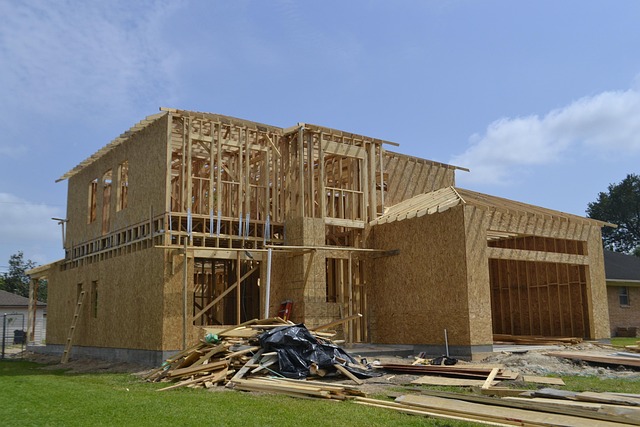
Building a robust and successful real estate brand requires a strategic approach that combines deep market understanding, exceptional client service, and innovative marketing tactics. For residential real estate agents, establishing yourself as a trusted advisor is paramount. This involves not just facilitating home buying and selling transactions but also fostering lasting relationships built on expertise, integrity, and personalized support.
A key differentiator in this competitive landscape is crafting a unique brand identity that resonates with your target audience. Consider West USA Realty, for instance, which has carved out a successful niche by emphasizing its deep knowledge of the local market and commitment to client satisfaction. This focused branding allows them to stand out amidst larger, more generic agencies. Effective branding includes a compelling value proposition, a distinct visual identity, and consistent messaging across all platforms—from websites to social media to print materials.
Leveraging digital tools is essential for modern real estate brokers. Online marketing strategies like search engine optimization (SEO), targeted advertising, and engaging content creation can significantly expand your reach. Social media platforms offer direct connections with potential clients, enabling you to showcase properties, share market insights, and build a personal brand. For example, sharing regular updates on local housing trends, new listings, or community events not only positions you as an expert but also cultivates a loyal following among both buyers and sellers.
Building trust and credibility is the cornerstone of any successful real estate brokerage. This involves maintaining high ethical standards, providing transparent communication throughout the transaction process, and delivering exceptional customer service. According to recent surveys, 85% of clients recommend their agents to others based on their overall experience. Ensuring satisfied customers through competent service and a genuine interest in their needs fosters brand loyalty and positive word-of-mouth referrals—a powerful tool in any real estate agent’s arsenal, especially when competing with other top home buying and selling agents in the market.
Marketing Strategies for Residential Properties

In today’s competitive real estate landscape, successful marketing is paramount for both home buying and selling agents. A robust strategy can significantly influence a property’s visibility, ultimately driving interest from potential buyers. For residential real estate professionals, understanding how to effectively market properties is an art and a science, requiring a blend of creativity, technology, and data-driven insights. This comprehensive approach ensures that each listing not only catches the eye but also resonates with the target audience, ultimately facilitating smoother transactions.
One of the most powerful tools in a residential realtor’s arsenal is digital marketing. With the majority of home buyers starting their search online, a strong digital presence is essential. Utilizing advanced property listing platforms, high-quality photography, and engaging video tours can showcase homes to their fullest potential. For instance, West USA Realty has consistently achieved remarkable results by leveraging virtual reality technology, enabling buyers to experience properties remotely, a particularly useful strategy in today’s hustle and bustle world where convenience is paramount. Additionally, targeted social media campaigns, focusing on platforms like Instagram and Facebook, allow agents to reach broader audiences and showcase the unique features of each property.
Beyond digital strategies, traditional marketing tactics remain effective. Print materials such as eye-catching flyers and brochures, when distributed in strategic locations, can generate significant interest. Open houses are another classic approach that brings potential buyers together, providing an opportunity for both agents and prospective clients to connect. However, it’s important to adapt these methods to modern times by ensuring all marketing materials include a clear call to action, driving interested parties to digital platforms for more detailed information. By combining traditional and digital strategies, residential real estate agents can create a robust marketing campaign that resonates with today’s tech-savvy buyers while also fostering meaningful connections through personal interactions.
Effective Property Listing and Showcasing Techniques

In the competitive landscape of home buying and selling, effective property listing and showcasing techniques are paramount for any successful real estate broker. A skilled residential realtor understands that the first impression is crucial—a well-crafted listing can attract potential buyers and significantly enhance the likelihood of a swift sale. The key lies in combining compelling visuals with detailed, accurate descriptions. High-quality photography, for instance, should include strategic angles showcasing the property’s best features while providing an authentic representation of its layout and design.
Moreover, leveraging digital platforms and virtual tours can extend the reach of listings, especially in today’s digital age where many buyers start their search online. West USA Realty, for example, has found that properties with immersive 3D virtual tours tend to generate more interest and draw in a broader spectrum of prospective buyers. According to recent data, homes listed with virtual tours have shown an average of 20% higher engagement rates compared to traditional listings. This shift towards digital showcasing not only caters to modern buyer preferences but also allows agents to effectively present properties to distant or busy clients.
To optimize each listing, residential realtors should focus on crafting detailed yet engaging descriptions that tell a story about the home. Highlighting unique features, such as upgraded kitchens, renovated bathrooms, or smart home technology, can be powerful selling points. For instance, mentioning specific improvements like energy-efficient windows or a newly landscaped backyard not only provides tangible benefits but also appeals to environmentally conscious and cost-saving buyers. Additionally, providing context through stories or memories associated with the property can evoke an emotional connection in potential purchasers, making them more inclined to envision themselves living there.
By integrating these effective listing and showcasing techniques, a home buying and selling agent can transform their properties into must-see opportunities. This strategic approach ensures that each residential realtor’s portfolio stands out in a crowded market, ultimately facilitating smoother transactions and achieving better outcomes for both sellers and buyers.
Managing Client Relationships and Closing Deals

Managing client relationships and successfully closing deals are at the core of a real estate brokerage’s success. The role of a residential realtor goes beyond simply listing properties; it involves building strong connections with clients, understanding their unique needs, and guiding them through every step of the home buying or selling process. An effective agent leverages their expertise to negotiate favorable terms, ensuring clients obtain the best possible outcome.
For instance, a West USA Realty agent might begin by thoroughly assessing a client’s situation, financial capabilities, and preferences for location and property type. This initial consultation sets the stage for a collaborative partnership. Through regular communication, they keep clients updated on market trends and relevant listings, fostering trust and transparency. When presenting properties, a skilled realtor offers insightful comparisons to similar homes recently sold in the area, providing concrete data to support their recommendations.
Closing deals requires strategic planning and adept negotiation skills. A residential realtor acts as a liaison between the buyer and seller, mediating discussions and crafting mutually beneficial agreements. They employ various strategies to overcome obstacles, such as securing financing or addressing inspection findings. By maintaining open lines of communication throughout, agents ensure clients are fully informed and engaged in every decision. According to recent industry data, successful real estate brokers attribute their achievements to strong client relationships and a deep understanding of the local market, which ultimately leads to higher closing rates.