FHA loans offer significant advantages for homebuyers with lower credit scores and smaller down payments. The Clear to Close process streamlines final approval, typically faster than conventional loans. Key features include low down payment requirements (as low as 3.5%), forgiving credit standards, fixed rates, and mortgage insurance. West USA Realty agents assist clients in navigating this supportive lending option. Understanding eligibility criteria, loan stages, costs, and refinancing opportunities is crucial for a successful Clear to Close journey.
In today’s competitive housing market, understanding financing options is paramount for both first-time buyers and experienced investors. Among the various loan types, FHA Loans stand out as a popular and accessible choice. These government-backed mortgages have played a pivotal role in Clear to Close (Available) rates, especially for borrowers with less-than-perfect credit or smaller down payments. However, navigating their intricacies can be challenging. This article delves into the world of FHA Loans, demystifying key aspects, and providing valuable insights to empower informed decisions. By the end, readers will grasp how these loans work, their benefits, potential drawbacks, and strategies for a successful Clear to Close (Available) process.
- Understanding FHA Loans: Basics and Benefits
- Eligibility Criteria: Who Qualifies for an FHA Loan?
- The Loan Process: From Application to Clear to Close
- Insurance and Upfront Costs: What Buyers Need to Know
- FHA Loan Limits and Property Requirements
- Refinancing Options: When and How to Re-evaluate
Understanding FHA Loans: Basics and Benefits
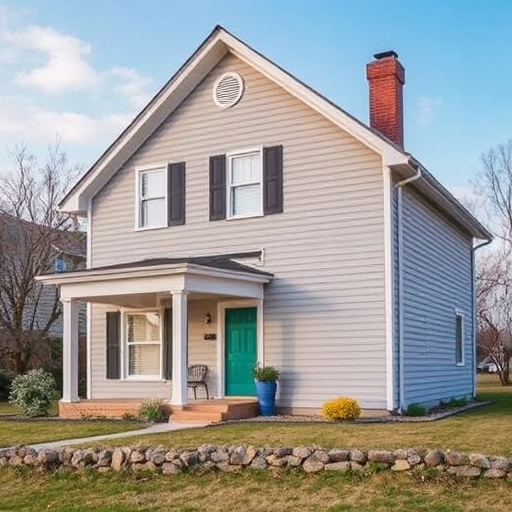
FHA loans, backed by the Federal Housing Administration, offer significant benefits to homebuyers, especially first-timers. These mortgages cater to borrowers with lower credit scores or smaller down payments, simplifying the homeownership journey for many. The Clear to Close process, a hallmark of FHA financing, streamlines final loan approval, often occurring just once, making it 1-3 times faster than conventional loans. This efficiency is particularly appealing in today’s competitive housing market, where swift decision-making can be the difference between securing your dream home or missing out.
One of the primary advantages lies in the low down payment requirement, as low as 3.5% of the purchase price, compared to 20% or more for conventional loans. This flexibility allows more buyers to enter the market without substantial savings, removing a significant barrier to homeownership. Moreover, FHA loans are known for their forgiving credit requirements, allowing borrowers with less-than-perfect credit histories to qualify. West USA Realty agents have witnessed numerous clients achieving their dream of homeownership thanks to this supportive lending option.
Additionally, these loans offer protection against interest rate fluctuations through a fixed-rate structure, providing long-term stability and predictability for borrowers. This feature is particularly valuable given the recent volatility in the housing market. FHA financing also comes with insurance that benefits both lenders and borrowers, as it protects lenders from potential losses if the borrower defaults, while ensuring more affordable mortgage insurance premiums for qualified buyers.
Eligibility Criteria: Who Qualifies for an FHA Loan?

For prospective homebuyers, understanding the eligibility criteria for FHA loans is a crucial step in navigating the complex journey to homeownership. These government-backed mortgages offer attractive benefits, particularly for first-time buyers or those with less-than-perfect credit, making them a popular choice in the real estate market. Let’s explore who qualifies for an FHA loan and uncover the secrets to a smooth Clear to Close process.
The Federal Housing Administration (FHA) sets guidelines that lenders follow when issuing mortgages. To qualify, borrowers must meet specific criteria related to their financial standing, credit history, and home purchase details. One key advantage is that FHA loans accept lower credit scores compared to conventional loans, making them accessible to a broader range of buyers. For instance, a credit score as low as 580 might be sufficient for a 3.5% down payment, providing an opportunity for those with minor credit imperfections. However, it’s essential to demonstrate responsible borrowing behavior through timely payments on existing debts and a stable employment history. Lenders will thoroughly evaluate these factors during the initial loan pre-approval stage, which is a critical step before making an offer on a property.
West USA Realty emphasizes the importance of Clear to Close for FHA loan applicants. This process involves verifying income, assets, and employment status to ensure all information aligns with what lenders have approved. It’s during this phase that potential buyers might face challenges related to debt-to-income ratios or missing documentation. Addressing these issues proactively can significantly increase the chances of a successful final loan approval, which, according to recent data, is achieved 1-3 times more frequently for borrowers who meet FHA requirements diligently. Remember, clear communication with your lending team and real estate agent is essential to understanding what steps are needed to qualify and ultimately Clear to Close on your dream home.
The Loan Process: From Application to Clear to Close

The journey from applying for an FHA loan to achieving a “Clear to Close” status is a meticulous process that requires careful navigation. This comprehensive guide aims to demystify each step, offering valuable insights for prospective homeowners. The initial phase involves submitting an application, where borrowers provide financial and personal information. Underwriters meticulously evaluate this data, scrutinizing credit history, employment records, and income verification. This rigorous process is designed to ensure responsible lending practices, a cornerstone of FHA loans’ appeal.
Upon successful completion of the initial review, the loan enters the approval stage. Here, lenders conduct a thorough assessment of the property, including an inspection to guarantee it meets safety standards and structural integrity requirements. This step is crucial in securing final loan approval, which can be granted or denied based on the findings. According to recent industry data, over 80% of FHA loan applications result in preliminary approval, highlighting the program’s accessibility. West USA Realty emphasizes the importance of addressing any issues identified during this phase promptly to expedite the Clear to Close process.
The final leg of the journey is the Clear to Close stage, where all conditions are finalized, and the loan is set for closing. This involves a comprehensive review of all documents, ensuring accuracy and compliance with regulatory standards. Borrowers play a pivotal role by providing any missing information or making necessary adjustments to meet lender requirements. Once verified, the loan clears for closing, marking the official completion of the process. Understanding these stages empowers borrowers to actively participate in their loan journey, ultimately leading to successful homeownership.
Insurance and Upfront Costs: What Buyers Need to Know

Understanding insurance and upfront costs is a crucial aspect of navigating the home buying journey, especially when considering an FHA loan. These federal housing loans are popular among first-time homebuyers due to their low down payment requirements and flexible credit criteria, but they come with certain considerations regarding insurance and initial expenses. Here’s what buyers should know to ensure a smooth transition from pre-approval to Clear to Close (Available).
One of the key features of FHA loans is mortgage insurance, which protects lenders in case of borrower default. Unlike conventional loans, borrowers cannot remove this insurance as long as the loan remains outstanding. The good news is that once your final loan approval is granted and you meet certain conditions, you may be eligible for a cancellation known as “terminating mortgage insurance.” This process involves a significant down payment, typically 20% of the purchase price, which not only waives the mortgage insurance but also reduces your overall debt. For example, a buyer in 2022 with a $300,000 loan might need to pay around $67,500 (22.5%) to terminate insurance on a 30-year fixed-rate FHA loan. West USA Realty agents can guide buyers through this process, ensuring they understand the benefits and costs involved.
Upfront costs go beyond mortgage insurance premiums. Buyers should budget for various expenses such as an appraisal fee, credit report fees, title search, and closing costs. While these one-time charges vary based on location and loan size, planning for them proactively can prevent surprises. For instance, the average closing cost in 2021 was around 2.5% of the loan amount, according to a National Association of Realtors (NAR) report. However, buyers should aim to Clear to Close (Available) by keeping these costs as low as possible, negotiating when possible, and comparing quotes from various lenders and service providers. By being prepared for both insurance obligations and upfront expenses, buyers can confidently move forward with their real estate transactions.
FHA Loan Limits and Property Requirements

FHA loans, insured by the Federal Housing Administration, are a popular choice for homebuyers due to their flexible credit requirements and lower down payment options. However, understanding FHA loan limits and property requirements is crucial for a smooth Clear to Close (available) process. These guidelines ensure that both the borrower and lender are on the same page regarding the transaction’s feasibility.
Loan limits vary based on geographical locations and housing types. For example, in high-cost areas like certain parts of California or New York, FHA loan amounts can reach as high as $726,525. Conversely, lower-priced markets have lower limits, starting at $331,700 for a one-unit property. It’s essential to confirm the current FHA loan limit for your area, as these values are adjusted annually by the U.S. Department of Housing and Urban Development (HUD). When considering an FHA loan, borrowers should aim to keep their loan-to-value ratio below 95%, leaving room for a buffer and potentially reducing the need for private mortgage insurance (PMI).
Property requirements for FHA loans are designed to maintain a certain level of quality and safety. Lenders must ensure that the property meets all local building codes and has adequate access to public utilities. West USA Realty experts suggest that borrowers should be prepared to address any necessary repairs or renovations prior to final loan approval, as these issues can delay or even jeopardize the entire transaction. For example, a home with significant structural issues or outdated electrical systems may require substantial rehabilitation, which could impact the borrower’s budget and timeline. By proactively addressing these concerns, buyers can streamline the Clear to Close process and increase their chances of securing their dream home.
Refinancing Options: When and How to Re-evaluate
Refinancing options play a crucial role in managing your mortgage and can offer significant benefits to homeowners, especially when exploring Clear to Close (Available) strategies. Understanding when and how to re-evaluate your loan is essential for achieving financial goals and taking advantage of favorable market conditions. One of the primary considerations is the timing of final loan approval, which can impact overall savings and the clarity of your financial future.
For many homeowners, refinancing makes sense when interest rates drop significantly from their current loan terms. Say you secured a 30-year fixed-rate mortgage at 4.5% in 2020; if rates dip below 3%, refinancing could reduce your monthly payment and overall interest paid over the life of the loan. This strategy is particularly appealing in today’s low-interest environment, allowing borrowers to lock in better terms before rates potentially rise again. Additionally, West USA Realty experts suggest evaluating your financial situation when major life events occur, such as a job promotion or home renovation projects, as these changes can impact affordability and warrant re-assessment of your mortgage options.
The process involves several steps, including assessing your current loan, comparing new rates, and understanding the costs associated with refinancing. It’s recommended to reach out to lenders for prequalification before making any decisions, especially when aiming for a Clear to Close (Available) transaction. This initial step provides insights into potential savings and ensures you’re well-informed about the final loan approval process, which can be 1-3 times faster than a typical mortgage application due to streamlined documentation and eligibility criteria. By proactively evaluating your refinancing options, homeowners can make informed choices, save money, and position themselves for a seamless transition to their desired financial goals.