
Down Payment Assistance programs help homebuyers with initial costs, but eligibility depends on income, credit history, and a critical house appraisal. This assessment determines property value, influencing assistance availability and mortgage terms. Pre-approval boosts credibility, enabling buyers to explore DPAs offering forgivable loans for lower down payments and competitive rates. Strategic savings, DPA options, and understanding house appraisals ensure favorable market entry, financial stability, and responsible homeownership.
Down Payment Assistance programs play a pivotal role in making homeownership a reality for many aspiring buyers. In today’s competitive housing market, where property values are rising and mortgage requirements are stringent, these initiatives are more crucial than ever. The challenge lies in navigating the complex web of eligibility criteria, especially with varying guidelines across different regions. This article serves as a comprehensive guide, offering insights into how Down Payment Assistance can be tailored to individual circumstances, including strategies for understanding and securing these valuable resources. By exploring these options, we empower buyers to navigate the process smoothly and enhance their chances of obtaining a favorable house appraisal.
- Understanding Down Payment Assistance Programs
- Qualifications: Who's Eligible for Aid?
- The House Appraisal Process: What to Expect
- Maximizing Your Financial Advantage
Understanding Down Payment Assistance Programs

Down Payment Assistance programs have emerged as powerful tools for aspiring homeowners, offering support at a critical juncture in the home buying process. These initiatives, designed to make homeownership more accessible, provide financial assistance to help individuals and families cover the initial costs associated with purchasing a property. Understanding these programs is essential for anyone navigating the real estate market, especially in competitive areas like Arizona, where property values are on the rise.
One key aspect to grasp is that Down Payment Assistance often takes the form of grants or low-interest loans, specifically targeted at closing the gap between a buyer’s savings and the required down payment. These programs can vary widely in their eligibility criteria, maximum contribution amounts, and repayment terms. For instance, some may be limited to first-time homebuyers, while others cater to specific income brackets or encourage purchases in designated areas. Homebuyers should carefully review these details as they differ across programs and regions. In Arizona, West USA Realty has observed that many first-time buyers find value in Down Payment Assistance, enabling them to secure their dream homes with greater ease.
The process involves a comprehensive application, where lenders and real estate professionals play pivotal roles. They assess the applicant’s financial situation, including creditworthiness and income verification, and guide them through the selection of suitable programs. A crucial step is the house appraisal, which determines the current market value of the property. This assessment ensures that the purchase price aligns with the program’s guidelines and helps establish the maximum assistance amount. Home value assessments are critical in ensuring fair and accurate support, aligning with the property’s true worth. By understanding these mechanisms, homebuyers can maximize their chances of securing financial aid and taking a significant step towards homeownership.
Qualifications: Who's Eligible for Aid?

Down Payment Assistance programs are designed to help aspiring homeowners navigate the financial hurdles of purchasing a home, but eligibility is key. Understanding who qualifies for these aids is crucial in ensuring that your efforts aren’t misguided. The criteria vary across programs, but several common factors influence eligibility, with house appraisal playing a pivotal role.
One of the primary considerations is income. Many assistance programs target first-time homebuyers or those within specific income brackets. For instance, programs like West USA Realty’s Down Payment Assistance initiatives often set upper and lower income limits based on family size and location. A robust understanding of your financial standing against these benchmarks is essential before applying. Additionally, a strong credit history typically enhances eligibility chances, as it signals responsible borrowing habits.
The value of the home you aim to purchase also significantly impacts eligibility. Lenders and assistance programs conduct thorough house appraisal assessments to determine the property’s market value and ensure it aligns with the loan amount sought. A lower-than-expected home value assessment could mean higher down payment requirements, while a favorable one might open doors to more financial support. This process not only safeguards lenders but also ensures buyers receive fair market value for their prospective homes.
The House Appraisal Process: What to Expect

The house appraisal process is a critical step in securing Down Payment Assistance (DPA), especially for first-time homebuyers navigating the real estate market. This assessment determines the home’s value, which directly impacts the assistance available and the overall financing terms. Understanding what to expect during this process can help buyers approach it with confidence.
When applying for DPA through programs like West USA Realty’s offerings, the appraisal is typically conducted by an independent, licensed appraiser. They will inspect the property, considering factors such as location, size, condition, and comparable sales in the area. The appraiser aims to provide a fair and accurate home value assessment, which serves as a crucial reference point for the mortgage lender. During the inspection, buyers can expect a thorough examination of every aspect of the house, from structural integrity to the quality of fixtures and finishes. It’s not just about checking off boxes; the appraiser is evaluating the property’s potential in the current market.
One common misconception is that a higher home value means more DPA or better financing options. However, lenders consider various factors beyond the assessment. Credit score, debt-to-income ratio, and down payment amount also play significant roles. For instance, even if an appraiser values a property at $500,000, a buyer with excellent credit and a low debt-to-income ratio might still qualify for generous DPA based on their overall financial profile. It’s essential to work closely with a real estate agent or loan officer who can guide buyers through the process, ensuring they understand how the home value assessment fits into the broader financing picture.
Maximizing Your Financial Advantage
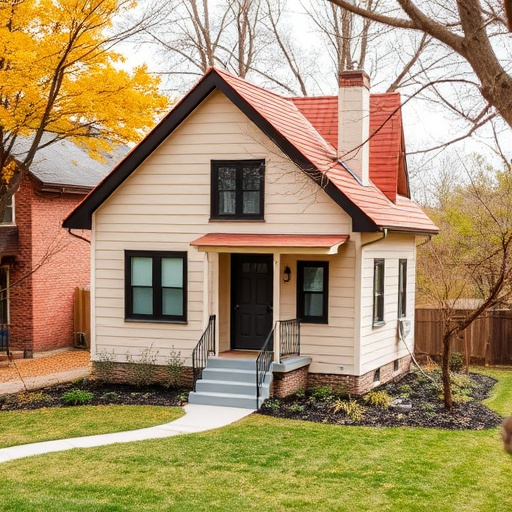
Maximizing Your Financial Advantage through Down Payment Assistance requires a strategic approach that goes beyond initial savings. A key component is understanding the role of a house appraisal in securing the best terms for your mortgage and ultimately, maximizing home value assessment. This process involves more than just meeting minimum down payment requirements; it’s about leveraging available assistance programs to their fullest potential.
West USA Realty experts emphasize the importance of pre-approval before exploring down payment options. A pre-approval letter not only boosts your credibility with sellers but also provides a clear picture of your financial capabilities, guiding you in targeting properties within your means. Once pre-approved, you can navigate various assistance programs tailored to first-time homebuyers and those looking to upgrade their residences. These programs often involve partnerships with lenders and real estate professionals who understand the nuances of house appraisal and home value assessment.
One popular strategy is using a down payment assistance program (DPA) that offers forgivable loans, typically tied to purchasing in specific communities or areas. These DPAs can cover a significant portion of your down payment, lowering your initial financial burden and enabling you to secure a competitive mortgage rate. For instance, a DPA could provide up to 3% of the purchase price for qualified buyers, significantly influencing the house appraisal process by ensuring your home’s value aligns with its market worth. Engaging with reputable programs that offer transparency in their terms and conditions is crucial, as some DPAs may come with strings attached or require specific actions to avoid repayment obligations.
By combining strategic savings, exploring DPA options, and understanding the intricacies of house appraisal and home value assessment, homebuyers can navigate the market more effectively. This approach not only ensures a sound financial foundation but also paves the way for long-term wealth creation through responsible homeownership.